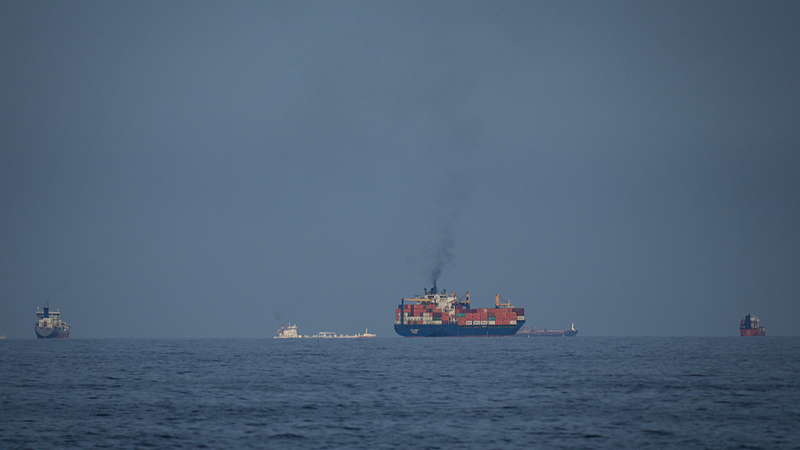
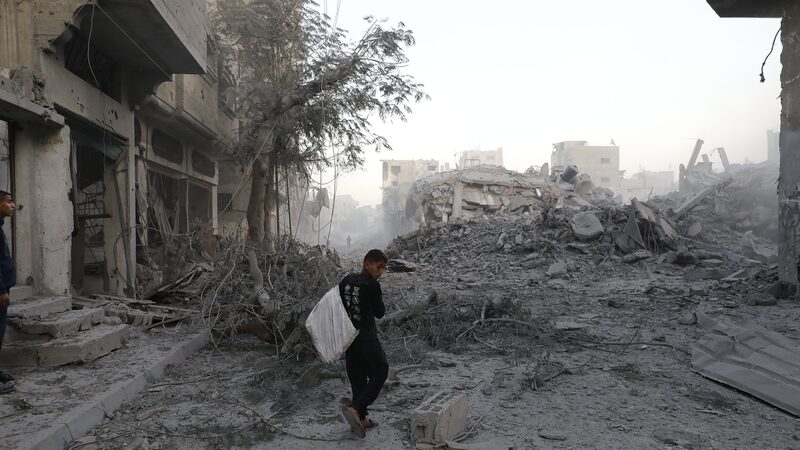
U.S. President Donald Trump’s call for allies to help secure the Strait of Hormuz—a lifeline for global oil shipments—has met tepid responses from key partners, as tensions escalate between the U.S.-Israeli coalition and Iran. 🌊 With Iranian forces targeting ships in the waterway, Trump warned NATO members to contribute warships or face a "very bad" future. But most nations are hitting pause, wary of deepening involvement in the conflict.
Allies Hold Back
🇦🇺 Australia flatly refused: "We won’t send a ship," said cabinet minister Catherine King. 🇰🇷 South Korea pledged only to "communicate closely" with the U.S., while 🇬🇧 UK Prime Minister Keir Starmer emphasized diplomatic talks over military action. Germany’s foreign minister called the idea of an EU naval mission "unnecessary," stressing that ending the conflict—not expanding it—is the priority.
Economic Stakes Soar
With 1,000 ships stranded and $25 billion in cargo frozen, analysts warn of energy price spikes. Citigroup predicts a three-month closure could triple European gas prices. 💸 Goldman Sachs estimates a one-month disruption might hike costs by 130%, compounding Europe’s existing energy woes post-Russia sanctions.
Europe’s Tightrope Walk
Stefan Wolff, a security expert, told CGTN: "Europe’s priority is avoiding direct involvement while preparing for post-war diplomacy." France hinted at a future "defensive" mission but delayed action until the conflict cools. ❄️
As global markets hold their breath, the Strait of Hormuz crisis underscores a fragile truth: In 2026, even superpowers need friends—but friends want exits, not entanglements.