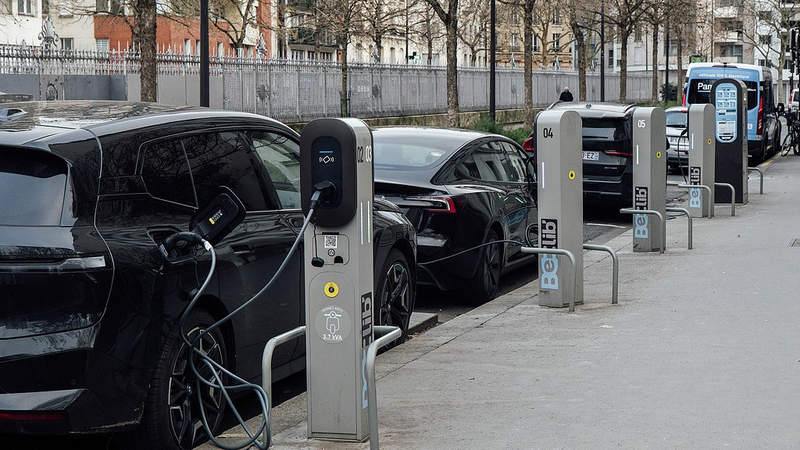
Two years after the European Union first imposed tariffs on foreign-made electric vehicles in 2024, the policy continues to fuel heated discussions among young professionals, climate activists, and auto enthusiasts worldwide. With 2026 shaping up as a pivotal year for green energy transitions, many are questioning how these trade rules align with global sustainability goals.
🔋 Why It Matters Now: – Affects affordability of EVs amid rising demand from Gen Z buyers – Impacts Asian manufacturers dominating the global EV market – Could influence other regions considering similar trade policies
🌐 Youth Perspectives: A new interactive poll reveals split opinions: • 48% say tariffs protect European jobs • 52% argue they slow climate progress • 63% of respondents under 30 want revised rules
🚗 "We need affordable EVs, not trade wars," commented Mumbai-based engineer Priya Sharma, 28, echoing concerns from developing markets. Meanwhile, Berlin student Lukas Müller countered: "Fair competition ensures quality innovation."
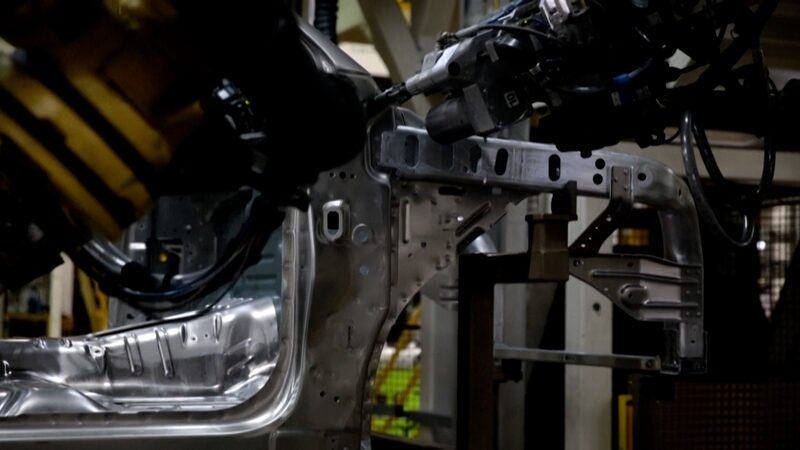
📈 Market analysts note the tariffs have reshaped supply chains, with some Chinese mainland manufacturers establishing European partnerships to bypass restrictions. This trend accelerated in early 2026 as companies adapted to the new trade landscape.
💡 What's Next: The European Commission will review the policy this summer, with climate activists planning coordinated protests during the decision-making process. Stay tuned for real-time updates through our interactive poll!