Three weeks into the US-Israel military campaign against Iran, what was pitched as a swift operation now risks becoming a quagmire. Tehran’s unexpected resilience has flipped the script, with global oil prices surging and political backlash growing against Washington and Tel Aviv. Here’s why 2026’s biggest geopolitical showdown is defying expectations:
Tehran’s Resilience: Built to Endure
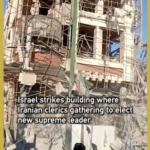
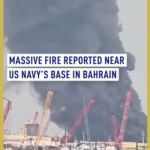
Despite losing key figures like security chief Ali Larijani, Iran’s leadership remains intact under new Supreme Leader Mojtaba Khamenei. The country’s Revolutionary Guards maintain nationwide control, while retaliatory strikes on Gulf oil infrastructure keep energy markets volatile. 💥 Crude prices have jumped 18% since Tehran partially blocked the Strait of Hormuz last week.
The Attrition Equation
Iran’s strategy leans on decades of sanctions-hardened survival tactics:
Cheaper drones/missiles vs. expensive US-Israeli tech
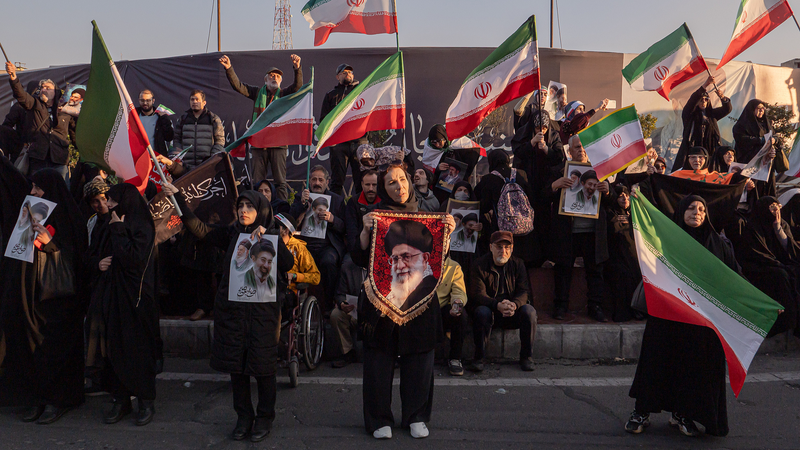
Public rallies reinforcing domestic unity
Meanwhile, anti-war sentiment grows in the US as gas prices strain wallets. 🛢️🇺🇸
Global Ripple Effects
With NATO allies refusing to back Hormuz patrols and Gulf states quietly pushing de-escalation, Washington and Tel Aviv face mounting isolation. Prime Minister Netanyahu’s ‘total victory’ pledge now looks increasingly shaky as Israel’s reservist system buckles under extended operations.
As one analyst put it: "This isn’t about who drops more bombs – it’s about who blinks first when bills come due." 💸