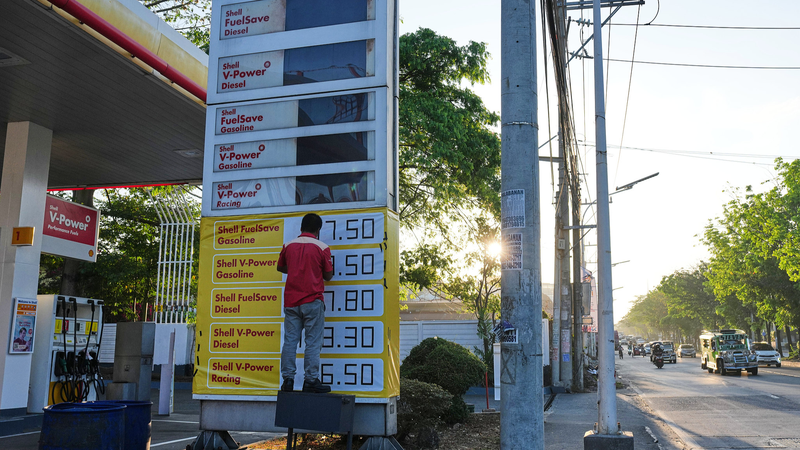
The Philippines has entered uncharted waters as President Ferdinand Marcos Jr. declared a national energy emergency this week, citing risks from Middle East conflicts that threaten to 'upend the country's energy security.' 🌍💥 With oil prices surging globally, the move aims to fast-track fuel procurement and stabilize essential supplies through 2027.
Why Now? ⏳
Marcos warned that Middle East tensions have created 'severe supply-chain chaos' and 'volatile oil prices' – a double whammy for a nation that relies heavily on imported fuel. The emergency declaration, active for one year, allows the government to bypass red tape and secure petroleum reserves through advance payments if needed.
45 Days of Fuel ⛽
Energy Secretary Sharon Garin revealed the Philippines currently has a 45-day fuel buffer. Plans to stockpile 1 million barrels of oil face hurdles, with Garin admitting 'uncertainties loom' in global markets. Transport workers and consumer groups are planning a two-day strike starting Thursday to protest rising costs.
Inflation Fears 📈
The finance ministry is now monitoring peso stability and overseas remittances – critical lifelines for many Filipino families. Senators recently criticized the administration's 'disjointed response' to the crisis, with economic planners warning inflation could hit multi-year highs if fuel costs keep climbing.
'This isn’t just about gas prices – it’s about protecting every Filipino’s ability to put food on the table,' Marcos emphasized in his executive order. As global tensions simmer, all eyes are on how this tropical archipelago navigates its biggest energy challenge in years. 🌴⚡