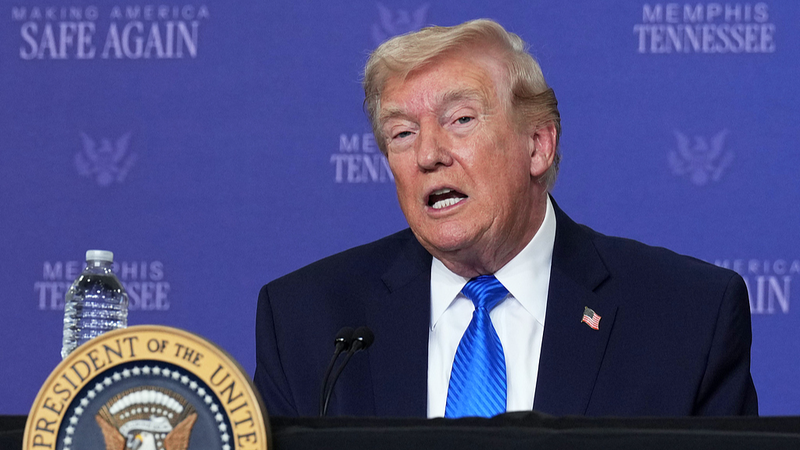
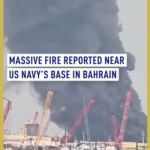
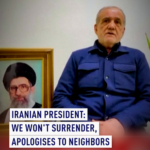
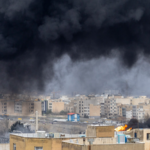
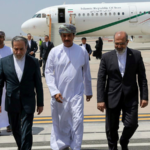
In a dramatic twist this week, U.S. President Donald Trump announced a five-day delay of planned strikes on Iranian energy infrastructure, claiming “very strong” talks had yielded “major points of agreement.” But Tehran swiftly denied any negotiations occurred, setting the stage for escalating tensions in the Gulf. Here’s what you need to know. 🚨
Claims vs. Denials: A Diplomatic Whiplash
Trump stated Sunday’s talks involved Iranian leadership (excluding the Supreme Leader) through U.S. envoy Steve Witkoff and Jared Kushner. He hinted at a potential phone conversation, calling it a “great start.” Yet Iran’s Foreign Ministry spokesperson Esmail Baghaei fired back, insisting no direct talks took place and warning of “decisive” retaliation if attacked. 💥
Military Moves & Market Games? 🛢️
Analysts suggest Trump’s delay could be strategic. CMG’s Tehran correspondent Li Jiannan reported the move might aim to sway energy markets or buy time for U.S. troop deployments. Over 5,000 Marines are set to arrive in the Middle East by March 27—the original deadline for Iran to reopen the Strait of Hormuz. Meanwhile, Iran claims readiness for “surprise actions.”
Israel’s Role & Rumored Talks
Israeli PM Benjamin Netanyahu hinted at leveraging military gains for a deal, aligning with U.S.-Israeli interests. Unconfirmed reports suggest U.S.-Iran talks could occur in Islamabad this week, led by VP JD Vance. The White House, however, remains tight-lipped. 🤐
As the clock ticks, the world watches whether diplomacy or conflict will define the next chapter. Stay tuned for updates. 📡