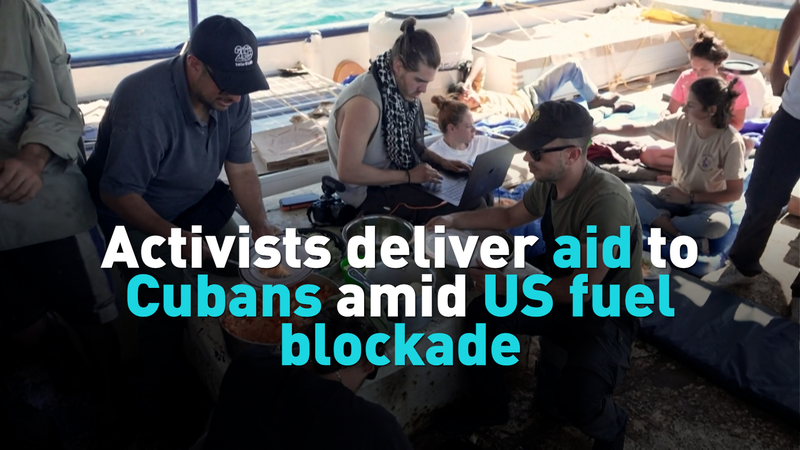
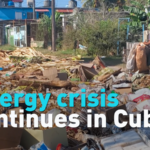
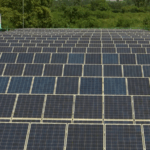
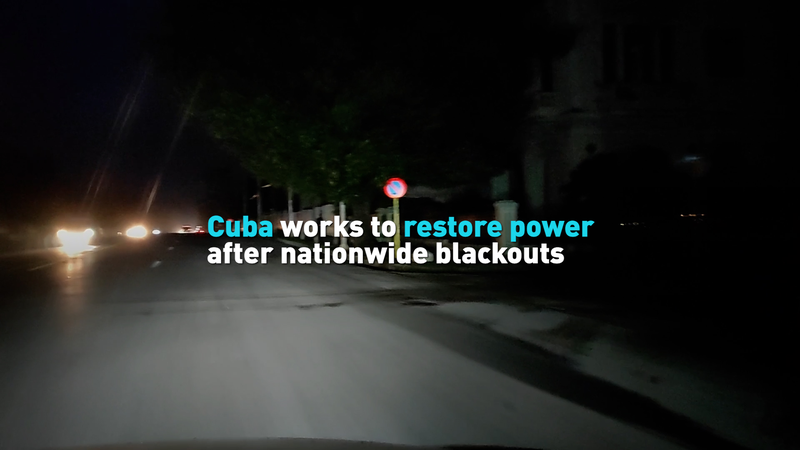
Cuba's energy crisis has reached a critical point in March 2026, three months after the US fuel blockade began. With blackouts lasting up to 12 hours daily and hospitals postponing non-emergency surgeries, grassroots activists worldwide are organizing relief efforts through solar-powered clinics and food distribution networks.
🚨 Why it matters: The blockade has caused food prices to spike by 300% in some regions, while public transportation operates at just 40% capacity. "We're seeing malnutrition cases we haven't seen since the 1990s," says Havana-based doctor Marisol Ferrer.
💡 Bright spot: A coalition of international NGOs recently delivered 10,000 solar lanterns and portable water filters to Havana. "This isn't just about politics – it's about keeping kids able to do homework after sunset," explains activist Carlos Mendez from the relief group Luz Para Cuba.
📈 Economic ripple effect: Tourism revenue – Cuba's economic lifeline – has dropped 65% this year due to energy shortages affecting hotels and transportation. The Cuban peso hit record lows against the USD in February 2026.
🌱 What's next: Youth-led agricultural cooperatives are experimenting with pedal-powered irrigation systems as diesel becomes scarce. Meanwhile, diplomatic efforts continue at the UN General Assembly seeking exemptions for medical fuel shipments.