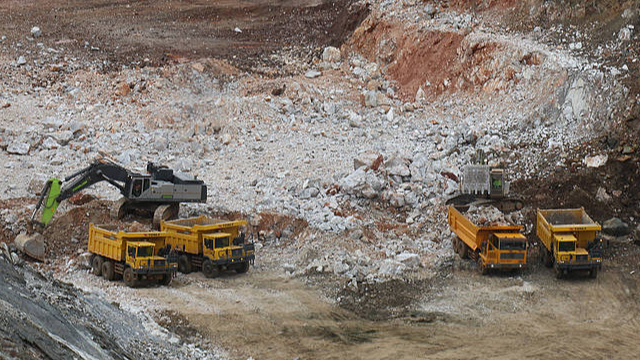
Zimbabwe is doubling down on mineral smuggling crackdowns following its controversial ban on raw lithium exports last month – a move shaking up Africa’s lithium market and sparking debates about economic strategy. 🔋
Why the Sudden Shift?
The government initially planned to ban raw mineral exports by January 2027 to boost local processing, but accelerated the timeline by 10 months after mining companies rushed to export stockpiles. The February 26 ban specifically targets lithium, a "white gold" critical for EV batteries, where Zimbabwe holds Africa’s largest reserves.
Jobs vs. National Wealth
While officials call it a "necessary step to reclaim lost revenue," critics warn of unintended consequences. Mining workers fear layoffs, and analysts question whether Zimbabwe has enough processing infrastructure to replace raw exports. 💼
Border Tech & Policy Overhaul
Mining Minister Polite Kambamura revealed plans to install AI-powered scanners at borders to detect concealed minerals like tantalum and tin. A new critical minerals policy and rare earth mapping survey are also underway to curb "financial leakages" estimated in the millions.
🌐 "We’re building an ecosystem where value stays in Zimbabwe," Kambamura stated, though skeptics argue global market pressures and bureaucratic hurdles could dampen the vision.