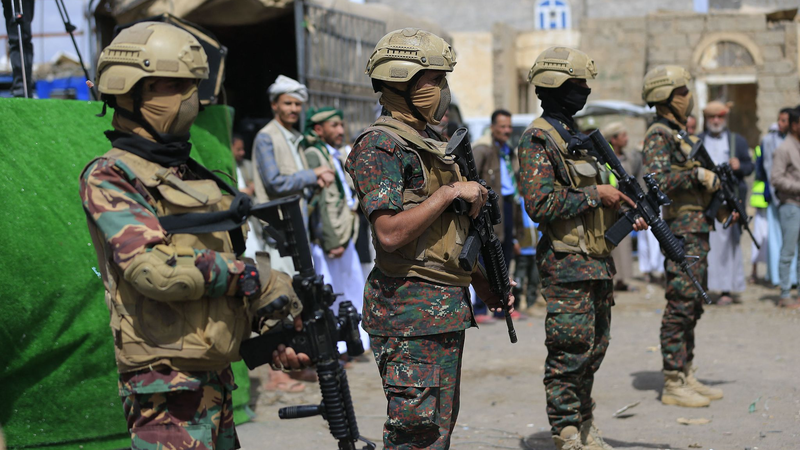
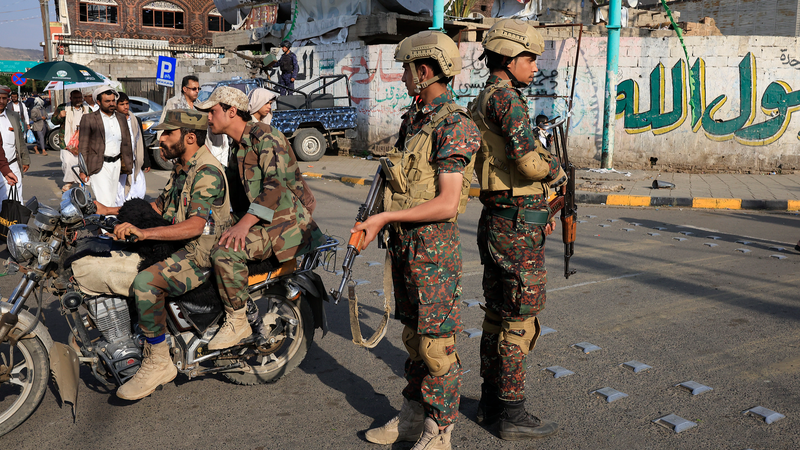
As tensions between Iran and the U.S.-Israel alliance reach a boiling point in March 2026, all eyes are on Yemen’s Houthi movement—a wildcard player that could disrupt global energy supplies overnight. Here’s why their next move matters. 🚨
The 'Trigger Finger' Dilemma
Since February’s U.S.-Israel strikes on Iran, the Houthis have kept their Red Sea weapons silent—a stark contrast to their aggressive tactics during the Gaza war. But with Iran explicitly threatening to activate proxies if ground forces mobilize, analysts warn the Bab el-Mandeb Strait could become the next crisis zone. 🌊
Why Hold Back?
Houthi leader Abdul-Malik al-Houthi confirmed this week the group remains "on the trigger," but experts cite three key reasons for their pause:
💥 Risk of devastating U.S. counterstrikes in Yemen
💸 Economic collapse in Houthi-held areas
🤝 Saudi Arabia’s behind-the-scenes diplomacy to keep Yemen’s war separate
Red Sea Domino Effect
If the Houthis blockade the Bab el-Mandeb—a chokepoint for 10% of global oil trade—it would compound existing disruptions from Iran’s Strait of Hormuz maneuvers. Brent crude prices already jumped 8% this month, and "a dual blockade could spike prices to 2022 levels," warns energy analyst Rana Alami.
U.S. Tightrope Walk
Washington faces a dilemma: Deploy troops to secure Hormuz (risking direct conflict) or rely on delayed strikes? President Trump’s April 6 deadline for Iran to reopen Hormuz adds urgency—but as Sana’a researcher Maysaa Shujaa al-Deen notes: "Every escalation risks turning Yemen’s frozen war into a global tinderbox."