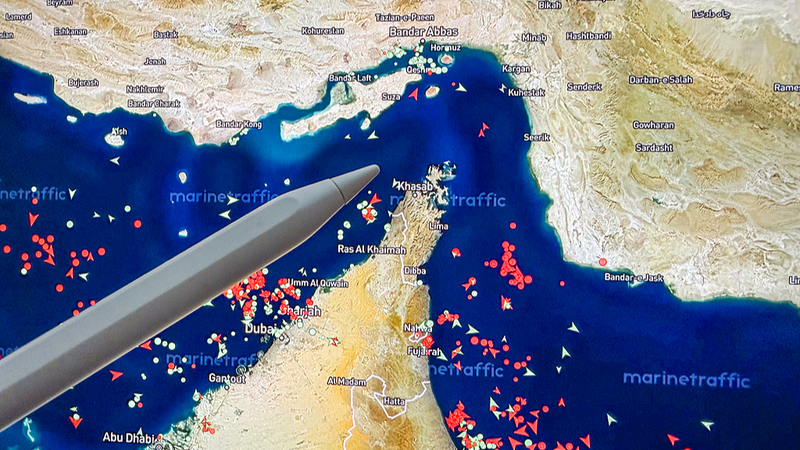
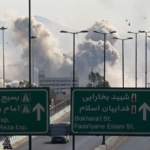
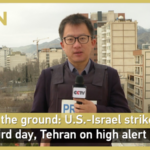
Iran is escalating its geopolitical chess match by proposing transit fees for ships navigating the Strait of Hormuz – a critical oil artery handling 20% of global seaborne crude. This move comes as U.S. and Israeli forces intensify strikes on Iranian targets, pushing 2026's most dangerous conflict into uncharted waters. 💥
Military Strikes Meet Economic Warfare
Israeli forces reported hitting 170 Iranian military sites this week, claiming they're entering the conflict's "final phase." But Tehran isn't backing down: Its Revolutionary Guard launched new drone attacks on U.S.-linked facilities in Bahrain and the UAE while parliament fast-tracked the Hormuz fee bill. 📈
The $100 Billion Question
Analysts warn Iran's proposed transit fees could permanently reshape energy markets: "This isn't just about today's conflict – it's about who controls tomorrow's oil flows," says energy expert Li Wei. With Brent crude already up 18% this year, drivers worldwide brace for pump pain. ⛽️
Defense Systems Stretched Thin
Despite Israel's claims of degrading Iranian capabilities, near-daily missile alerts continue across the country. Our Jerusalem correspondent reports: "Interception failures reveal cracks in air defenses as both sides ration advanced weapons systems."
What's Next?
With Washington threatening to "destroy" Iran's oil infrastructure and Tehran tightening its Hormuz grip, the world watches nervously. As one diplomat told us: "This isn't just a Middle East crisis – it's everyone's energy nightmare." 🌐