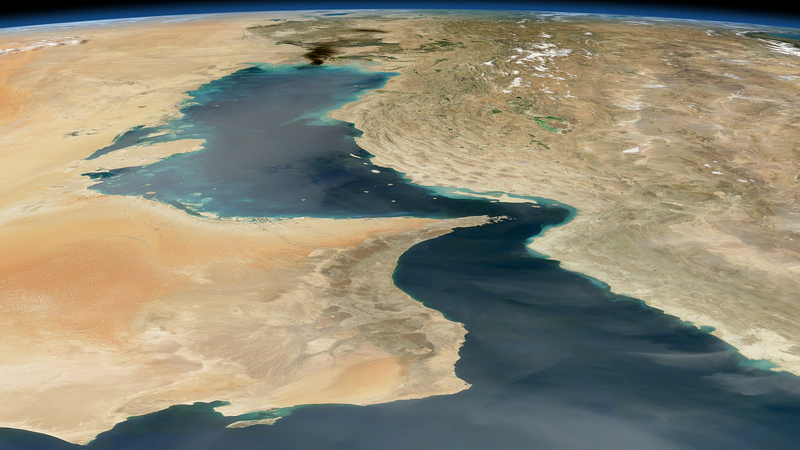
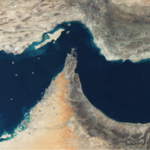
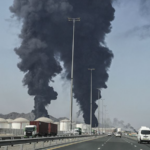
Global energy markets are scrambling as a month-long disruption of the Strait of Hormuz – the world’s oil superhighway – forces Gulf exporters to unleash creative workarounds. With 20 million barrels of oil normally passing through daily, the stakes couldn’t be higher for Asia’s energy-hungry economies and beyond. Here’s how nations are adapting:
Pipeline Power Plays 🚀
Saudi Arabia’s 1,200-km East-West Pipeline has become its MVP, funneling 7 million barrels/day to Red Sea ports. Meanwhile, the UAE’s Fujairah pipeline is pumping 1.5 million barrels through the Gulf of Oman. 'It’s crunch time for energy security,' says Saudi Aramco’s CEO Amin Nasser.
Iraq’s Northern Gambit 🗺️
Baghdad is reviving dusty pipelines through Türkiye’s Ceyhan Port, aiming to move 650,000 barrels/day by summer 2026. Bonus move? They’re eyeing a new Syria-linked pipeline – talk about geopolitical plot twists!
Truck Armies & Plan Bs 🚛
When pipes aren’t enough, Iraq’s considering convoys of oil trucks to Syria and Jordan. But with each truck moving just 100-700 barrels, analysts say it’s like using scooters to replace cargo ships. Still, desperate times call for creative measures.
Red Sea Risks Rising 🌊
Even alternative routes face drone threats and Bab el-Mandeb Strait tensions. Türkiye’s now plotting FIVE new corridors through Iraq, Syria, and even Africa’s Cape of Good Hope. Because in 2026, energy chess just leveled up.
One thing’s clear: The world’s energy map is being redrawn in real-time. Stay tuned for more updates as this high-stakes game unfolds. 🔥