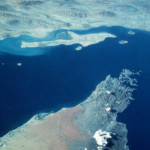
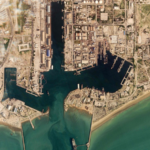
Global shipping through the Strait of Hormuz—the world’s most critical oil chokepoint—has quietly shifted to a dual-corridor system this month, reshaping maritime traffic amid ongoing regional tensions. Here’s the lowdown. 🚢💥
Why the Shift?
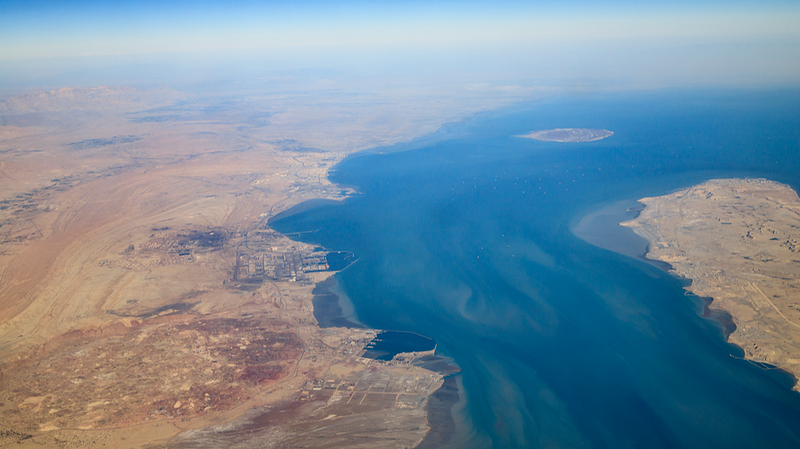
According to London-based analytics firm Windward, vessels are now splitting between a northern route (controlled by Iran’s Islamic Revolutionary Guard Corps near Larak Island) and a new southern corridor hugging Oman’s coast. On April 5 alone, 11 ships navigated the strait, with 5 opting for the IRGC-monitored path and 3 testing the Omani lane.
LNG Makes a Comeback
The southern route saw its first liquefied natural gas (LNG) carrier transit on April 2—a milestone since hostilities escalated in February. Analysts call this a 'strategic dance' for energy giants avoiding conflict zones while keeping global supplies flowing. ⚡️🌍
Traffic Trends
Since the southern corridor opened April 2, usage has surged from 3 vessels to 4 by April 4. Windward notes this signals a rapid, coordinated shift as shipping firms adapt to the new normal.
Bigger Picture
The strait’s traffic plummeted after U.S.-Israel military actions against Iran in late February and Tehran’s retaliatory strikes. With 20% of the world’s oil passing through daily, this dual-route system could redefine energy security in 2026.