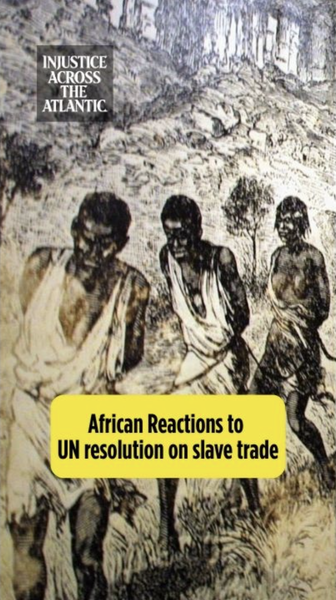
In a historic move, the United Nations adopted a resolution this week formally recognizing the transatlantic slave trade as "a crime against humanity"—a decision African leaders are calling "long overdue but vital for healing." The resolution coincides with new efforts to address systemic inequalities rooted in centuries of exploitation.
🌐 Why it matters now: Over 400 years, 12.5 million Africans were forcibly transported across the Atlantic, with millions dying en route. The UN’s 2026 declaration emphasizes "reparative justice" through education reforms, cultural preservation, and economic partnerships. Nigeria’s ambassador stated: "This isn’t just history—it’s the foundation of today’s racial and economic divides."
💡 Youth-led movements across the African diaspora are amplifying the conversation. From Brazil to Brooklyn, activists are using VR to recreate lost ancestral villages and TikTok to share untold stories. \#SayTheirNames trends daily, honoring victims erased from textbooks.
🔮 What’s next: The African Union will launch a Global Reparations Fund this July, backed by Caribbean nations and grassroots groups. Meanwhile, universities in Ghana and Senegal are digitizing oral histories to "reclaim narratives." As one student put it: "Truth first, then reconciliation."