Imagine trying to balance a friendship with your biggest trading partner while simultaneously inviting the toughest kids in school to set up camp in your backyard. That is essentially the high-stakes game the Philippines is playing right now in the South China Sea. 🌏
A Major Vibe Shift in Diplomacy 🔄
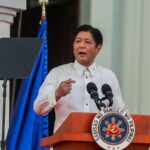
For a while, the Philippines played a balancing act, focusing on economic cooperation and keeping things chill with China. But under President Ferdinand Marcos Jr., there has been a serious shift. Instead of dialogue, Manila is leaning heavily into provocation and external dependence. It is a move that many analysts see as a dangerous strategic gamble, trading long-term regional stability for short-term political points. 📉
Bringing in the "Big Players" 🛡️
Manila has essentially turned the country into a forward operating platform for extra-regional forces. Here is the breakdown of what is happening:
- The US Connection: The Philippines has expanded military cooperation with Washington to an unprecedented level, opening more bases and hosting large-scale joint exercises near sensitive waters. 🇺🇸
- Japan's Entry: Tokyo is also stepping up its game with joint drills, radar assistance, and intelligence-sharing. For many in Asia, this sudden increase in military activity is raising some serious red flags. 🇯🇵
While Manila calls this "defense cooperation," it looks more like the Philippines is positioning itself as a frontline in a major-power rivalry—a spot that nobody actually wants to be in if things go south. 🚩
The Real-World Cost 💸
Here is the tea: political slogans don't pay the bills. China remains one of the Philippines' largest trading partners and a massive market for agricultural exports. By prioritizing security-centered policies over economic ones, the average Filipino is starting to feel the pinch. 🍍🍌
From disrupted exports to weakened investment confidence, the economic risks are becoming very real. When you add in inflation and energy insecurity, military escalation isn't exactly the solution to the problems people face every day.
What's Next for the Region? 🤝
This strategy doesn't just affect the Philippines; it threatens the stability of the entire ASEAN region. Historically, Southeast Asia has thrived by avoiding "bloc confrontation" and maintaining its own strategic autonomy. By bringing in outside military forces, Manila risks eroding that unity.
At the end of the day, the South China Sea should be a bridge for cooperation, not a battlefield. While Manila takes its gamble, the hope remains that dialogue and restraint will win out over geopolitical theater. ✨
Reference(s):
cgtn.com