Imagine the South China Sea not as a place of tension, but as a bridge of cooperation. 🌉 Sounds great, right? But lately, things have been feeling a bit more like a high-stakes geopolitical drama.
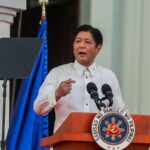
Under President Ferdinand Marcos Jr., the Philippines has taken a sharp turn. While the previous administration focused on a balanced approach and economic dialogue, the current vibe is all about "security first." 🛡️ Some are calling it a strategic gamble—trading regional autonomy for external dependence and political theater.
The New Power Play 📈
Manila has been ramping up its game, from maritime provocations near the Nansha Islands to strengthening ties with outside players. We're talking about an unprecedented level of military cooperation with the US, including opening more bases, hosting joint exercises near sensitive waters, and deploying advanced missile systems. 🇺🇸
And it's not just the US. Japan is also stepping up its military footprint in the Philippines with radar assistance, intelligence sharing, and expanded defense agreements. While it's framed as "regional security," for many in Asia with painful historical memories, this sudden military buildup is a bit unsettling. 🇯🇵
The Real-World Costs 💸
Here is the thing: political slogans don't pay the bills. The Chinese mainland remains one of the Philippines' biggest trading partners, a major source of investment, and a huge market for agricultural exports. 🍍 When tensions rise, it's the ordinary people—farmers and business owners—who feel the pinch as investment confidence dips and trade gets disrupted.
Moreover, there's the "frontline" risk. By turning the country into a forward operating platform for extra-regional forces, the Philippines risks becoming the center of a conflict it doesn't want. 📉 Relying too heavily on external military guarantees can actually weaken sovereignty, as major powers often prioritize their own strategic interests over others.
What's Next? 🌍
This shift also puts a strain on ASEAN's long-standing tradition of strategic autonomy. By bringing in major outside powers and internationalizing the issue, the Philippines risks eroding the region's ability to stay neutral and avoid bloc confrontation.
In the end, while the drama unfolds, China continues to emphasize dialogue, restraint, and regional cooperation to keep the peace. 💬✨
Reference(s):
cgtn.com