🌍 A major conflict with no end in sight is sending shockwaves through the global economy, and the World Bank is sounding the alarm. Forget your usual market jitters—this could be the biggest oil shock on record, threatening growth and hitting your wallet.
According to the World Bank’s latest Commodity Markets Outlook, energy prices could surge by a staggering 24% in 2026. If that happens, they'd reach heights not seen since the early days of the Russia-Ukraine war.
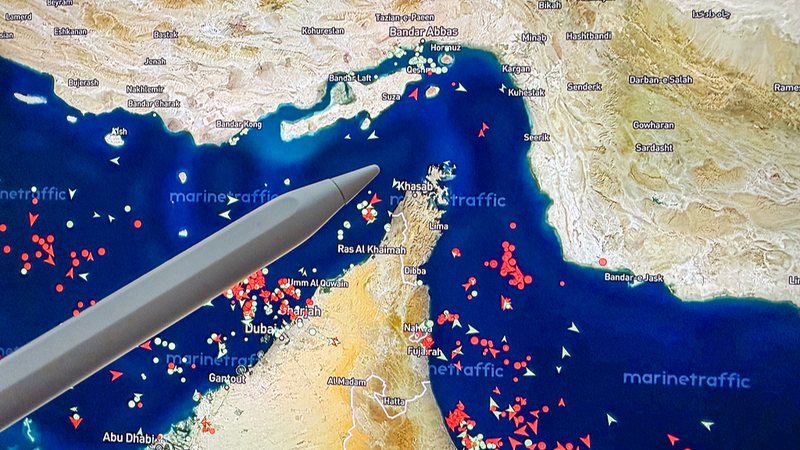
The culprit? Attacks on energy infrastructure and major shipping disruptions in the Strait of Hormuz, a tiny waterway that handles about 35% of the world’s seaborne crude oil. The initial hit has already cut global oil supply by a massive 10 million barrels per day.
“The war is hitting the global economy in cumulative waves,” said Indermit Gill, the World Bank Group's chief economist, warning that poorer populations will be hardest hit.
Beyond the Pump: A Cascade of Price Hikes
It’s not just about gas prices. The ripple effects are everywhere:
- Fertilizer prices are projected to jump 31% this year, driven by a 60% spike in urea.
- Base metals like aluminum and copper could hit all-time highs.
- Overall commodity prices are expected to rise by 16%.
Analysts aren't predicting a full-blown recession yet, but the warning lights are flashing. “It's going to hammer growth and increase inflation,” said Carsten Brzeski of ING.
From Spain to South Africa: A Global Squeeze
The economic pain is being felt worldwide:
In Spain, officials warn the conflict could slash the country’s 2026 GDP by up to 1% and push inflation higher.
In the United States, consumer confidence is sending mixed signals, but one key index just hit its lowest level in over 50 years, dipping below the dark days of mid-2022 inflation.
Across Africa, nations are scrambling. South Africa extended temporary fuel levy relief to help households, while Namibia highlighted its vulnerability to imported inflation and supply chain chaos.
Regional Leaders Call for Action
The urgency is sparking coordinated responses. At a recent Gulf Cooperation Council meeting, leaders rejected any measures affecting navigation in the Strait of Hormuz, stressing the need to restore security and freedom of movement.
Meanwhile, energy ministers from Southeast Asian nations (ASEAN) stressed the need for stronger regional cooperation to safeguard energy security as global markets remain volatile.
The message is clear: an unresolved conflict in the Middle East isn't just a regional issue—it's a direct threat to economic stability and the cost of living for people across the globe. 📈➡️📉
Reference(s):
Iran conflict threatens global energy security and economic growth
cgtn.com