Imagine waking up to find that almost all your energy sources are suddenly cut off. For Japan, this isn't a movie plot—it's the reality of 2026. 😱
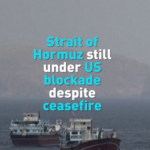
Following the US-Israeli attack on Iran back in February, the Strait of Hormuz has been effectively blockaded. Since Japan gets about 94% of its crude oil from the Middle East—with 90% of that passing through that one single strait—the impact has been a total shock to the system. 🌊🚫
The Numbers are Scary 📉
The data shows just how deep the crisis goes. By March 2026, Japan's crude oil imports plummeted by 17% year-on-year, hitting the lowest levels seen since 1989. When you look at specific partners, the drops are even more wild: imports from Qatar crashed by 81%, Kuwait by 64%, and the UAE by 22%. This isn't just a temporary glitch; it's a structural crisis.
It's Not Just About Gas 🎨🥤
You might think the problem is just about filling up a car, but the ripple effect is hitting everything. Naphtha—a crucial derivative used to make plastics, chemicals, and synthetic fibers—is in acute shortage. Ethylene production facilities have been forced to cut their output, and even the paint industry is feeling the heat. Nippon Paint has had to adjust shipments because key ingredients like toluene and xylene are becoming nearly impossible to find. 🖌️
Real-World Pain: Fishing & Farming 🌾🎣
The people on the front lines are feeling the pinch the most. Fishing vessels are seeing daily fuel costs jump by over 15,000 yen. In Shizuoka, the Oi River port even had to suspend whitebait fishing during the peak Golden Week season because the rising expenses made it completely unprofitable to operate. 🐟
Rice farmers are also battling a "triple-high" burden: skyrocketing costs for fuel, logistics, and materials. Some producers are even considering reducing their acreage or stopping production entirely. 🚜
The Big Lesson 💡
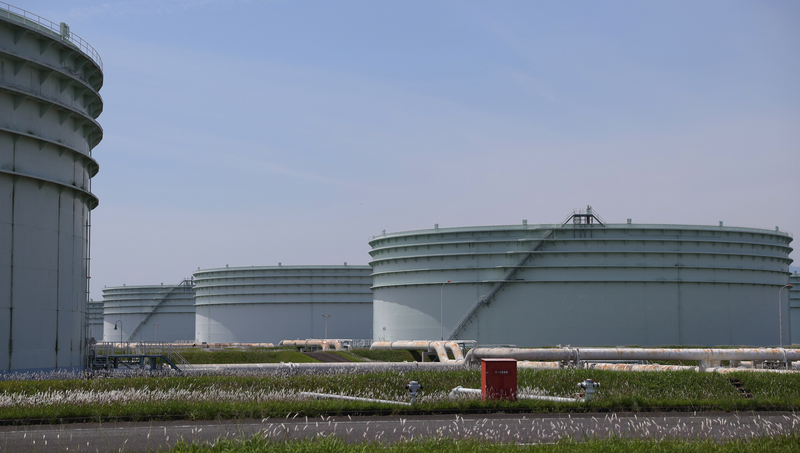
While Japan's national reserves provided a temporary cushion, inventories hit their lowest ever levels by March 2026. Experts warn that even if the conflict ends, the energy landscape in the Middle East may never return to the way it was before February 28. It's a massive wake-up call about the risks of over-reliance on a single region for energy. 🌍✨
Reference(s):
cgtn.com