Scientists Crack the Code of Plastic Pollution in High-Altitude Ecosystems
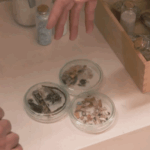
Chinese researchers have unlocked new insights into how microplastics travel across the Qinghai-Xizang Plateau – often called the 'Roof of the World.' The groundbreaking study, published this week by the Northwest Institute of Eco-Environment and Resources (NIEER), reveals how these tiny pollutants navigate one of Earth's most fragile ecosystems. 🏔️
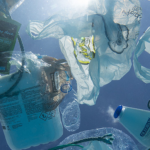
Using advanced tracking methods, the team identified key pathways for microplastic movement, from glacial meltwater to high-altitude wind patterns. This research comes as global concern grows about plastic contamination in remote areas – yes, even your reusable water bottle has a 'plastic footprint'! 💧
Why This Matters for Gen Z
As climate warriors push for #ZeroWaste lifestyles, this study provides crucial data for policymakers. 'Understanding microplastic migration helps us create targeted solutions,' said a NIEER spokesperson. The findings could shape environmental strategies across Asia's water towers – critical sources for major rivers serving billions downstream. 🌏
Reference(s):
cgtn.com