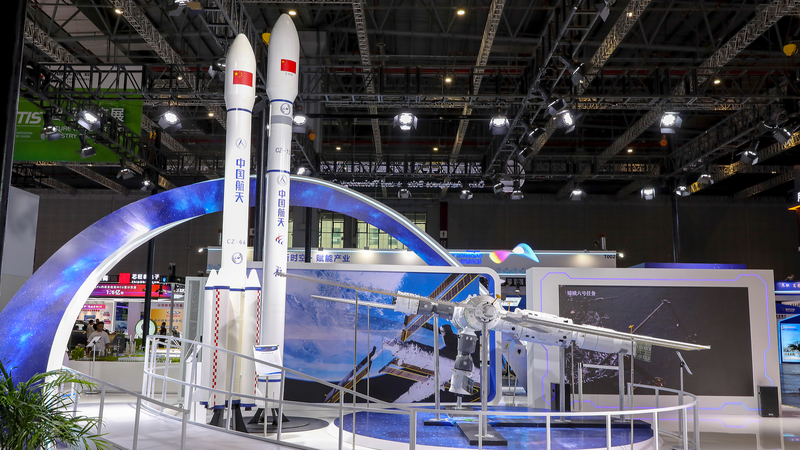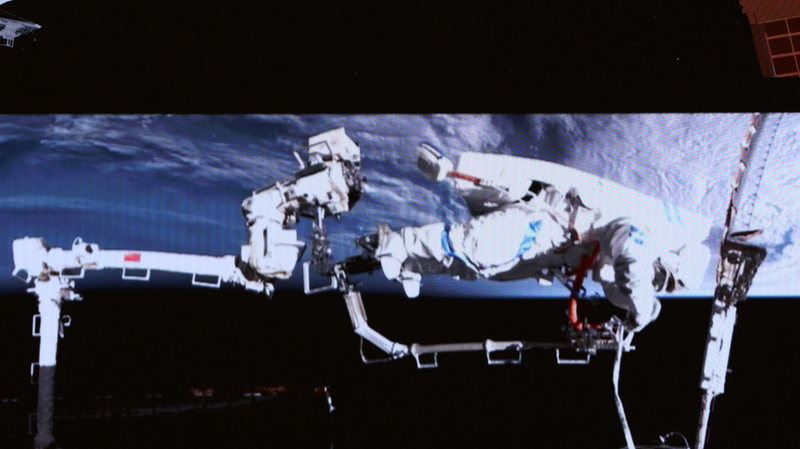
As the world marks the International Day of Human Space Flight on April 12, 2026, China's space program is scripting a new chapter in cosmic exploration. From mastering low-Earth orbit operations to setting sights on lunar missions, taikonauts are redefining humanity's reach into the stars. ✨
From Shenzhou-5 to Tiangong: A 23-Year Journey
Since Yang Liwei's groundbreaking 2003 mission made China the third nation to achieve independent crewed spaceflight, the program has evolved dramatically. What began as single-day orbital flights now features six-month residencies aboard the Tiangong space station – currently hosting its fourth crew this year.
2026: The Year of Cosmic Ambitions
This year's milestones include:
- 🔭 Expanded international experiments aboard Tiangong
- 👩🚀 Training for the first female taikonaut lunar candidate
- 🛰️ Successful tests of next-gen reusable spacecraft
Moonward Bound
With Tiangong operating smoothly, China's space administration recently announced phase-one development of a lunar research base prototype. While no official crewed mission date is set, industry insiders suggest a potential moon landing attempt by 2035.
As one Beijing-based aerospace engineer told us: 'We're not just repeating Apollo – we're building infrastructure for sustained deep-space presence.' 🌌
Reference(s):
From space station to the moon: China advances manned spaceflight
cgtn.com