📡 Picture this: a world where your phone has a perfect signal, whether you're hiking a remote mountain, sailing the high seas, or just in a crowded city. That's the future China is testing right now. Late last week, a rocket carrying a batch of secret-weapon satellites blasted into the night sky, not for spy missions, but to connect us all.
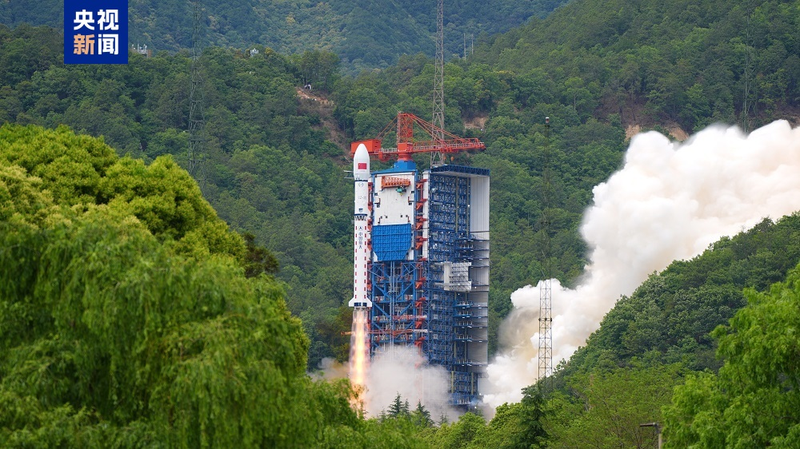
On Friday, April 21, a Long March-2D carrier rocket roared to life from the Xichang Satellite Launch Center in southwest China's Sichuan Province. Its payload? A cluster of test satellites with one big job: figuring out how to make super-fast internet rain down from space directly to your smartphone. Think of it as building the ultimate celestial hotspot.
This mission is all about space-ground network integration. In simple terms, it's about making satellites and cell towers work together seamlessly. No more switching between networks or hunting for a bar of service. The goal is a smooth, uninterrupted, high-speed connection everywhere on the planet. 🛰️➡️📱
For us digital natives, this isn't just cool tech—it's a potential game-changer. It could revolutionize how we work remotely, access education, stream content, and stay connected with friends and family across the globe. Imagine live-streaming an adventure from the middle of a rainforest or video calling from a remote village without a glitch.
The successful launch also marked the 639th flight for China's reliable Long March rocket family, showing the steady pace of the country's space ambitions. While it's a test phase now, the vision is clear: a more connected, accessible digital world for everyone. The race for the next generation of internet is officially… airborne.
Reference(s):
China launches test satellites for space-ground network integration
cgtn.com