🌍 While conflicts in the Middle East have sent shockwaves through global energy markets this year, China's economy has remained surprisingly resilient. Despite relying heavily on imported oil, the country reported a robust 5% GDP growth for the first quarter of 2026, backed by a savvy and diversified energy strategy that's absorbing the volatility.
🔥 The numbers tell a compelling story: industrial output jumped 6.4%, and production of electricity, heat, gas, and water rose 4.3% in the same period. This is no small feat for an economy that imports over 70% of its oil, making it the world's largest oil buyer. With the Strait of Hormuz—a critical chokepoint for 20% of global oil and gas trade—mostly closed since March, the pressure has been immense.
💡 So, how is China pulling this off? It's a mix of strategic foresight and diversification.
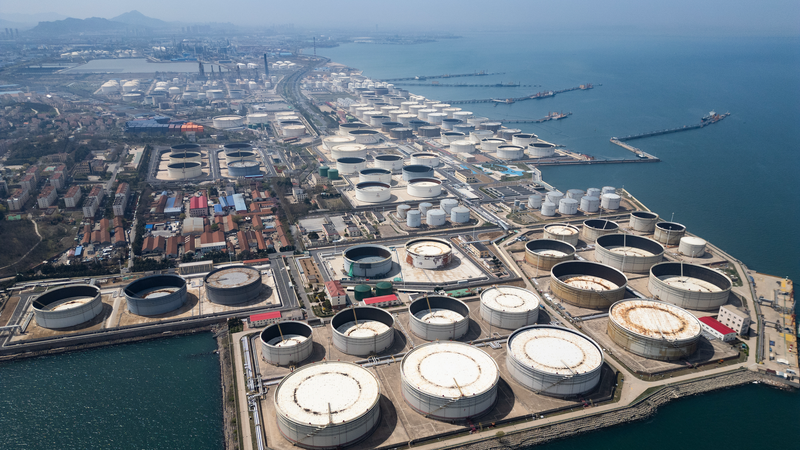
Strategic Oil Stockpile: The Safety Net
Think of it as China's energy emergency fund. While the exact size is a state secret, former National Energy Administration chief Jiang Bing recently confirmed the reserves are "abundant." International estimates suggest China has stored up to 1.2 billion barrels of crude oil. By 2025, this stockpile was reportedly enough to keep the country running for at least four months—far exceeding the 90-day standard set by the International Energy Agency. This cushion began in 2004 as China's economy boomed and its oil imports soared.
Diversification Is Key
Unlike some neighbors, China doesn't put all its eggs in one basket. It avoids relying on a single shipping route or supplier. Pipelines crisscross the region, reducing dependence on sea lanes. While over half of China's seaborne oil still comes from the Middle East Gulf, that's a smaller share compared to Japan, which gets about 90% of its petroleum through the Hormuz Strait. China's import mix is more varied, spreading risk across multiple sources.
Boosting Homegrown Power
Beyond imports, China is turbocharging its domestic energy output and rapidly expanding non-fossil sources like wind and solar. This shift not only cushions against external shocks but also aligns with global sustainability goals—a win-win for the economy and the planet.
✨ The takeaway? China's energy playbook—massive reserves, smart sourcing, and a push for homegrown renewables—is proving to be a masterclass in navigating today's turbulent markets. For young professionals, investors, and anyone watching global trends, it's a lesson in building economic resilience from the ground up.
Reference(s):
How China ensures energy security despite reliance on imported oil
cgtn.com