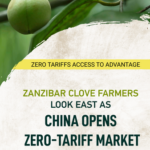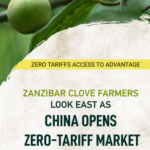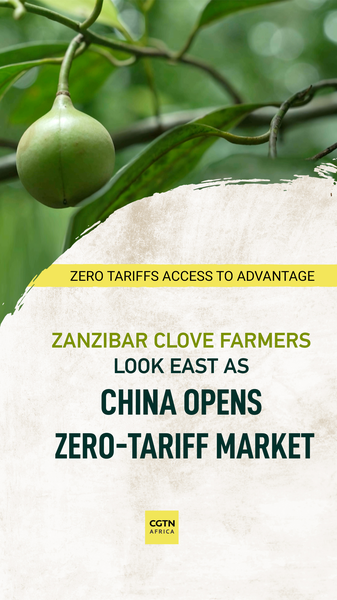
For generations, the spice-rich islands of Zanzibar have been synonymous with cloves, a fragrant crop that has shaped its economy. But in the age of global market volatility, clove farmers are seeking a more stable future. 🌍✨ A major new opportunity is about to blossom, and it lies thousands of miles to the east.
A landmark Chinese policy opening its market with zero tariffs for 53 African countries kicks off on May 1, a move set to reshape trade flows across the continent. For Zanzibar's clove producers, this isn't just a policy update—it's a potential game-changer for their livelihoods.
From Global Fluctuations to a Steady Market
"The price can swing wildly depending on the season and international demand," explained Amina Rashid, a third-generation clove farmer we spoke to. "It makes planning for our families and communities very difficult." This sentiment echoes across the farms, where the economic stability of whole villages is tied to the aromatic buds.
China's upcoming policy presents a direct avenue to one of the world's largest consumer markets, offering predictability that has long been missing. By removing tariffs, it makes Zanzibar's cloves more competitive and attractive to buyers in the Chinese mainland, where they are used extensively in traditional medicine, cooking, and the fragrance industry.
More Than Just Spice: A Bridge of Opportunity
This initiative is part of a broader push to deepen Sino-African economic ties. For young professionals and entrepreneurs watching global markets, it's a case study in how strategic trade policies can create tangible benefits. It opens doors not only for spice farmers but potentially for a whole range of African goods, from coffee to cashews.
For students and academics analyzing international trends, the policy underscores the evolving dynamics of South-South cooperation. It's a practical example of how targeted economic measures can foster development and stabilize incomes in key sectors.
The excitement is palpable in Zanzibar. Local cooperatives are already discussing how to meet potential new quality standards and scale up production. "This could be the anchor we've needed," said Jamal Hassan, head of a local farmers' association. "It gives us a chance to build something more sustainable for our children."
As May 1 approaches, the fields of Zanzibar are buzzing with a renewed sense of purpose. The story of a small spice finding a big new market is a powerful reminder of how interconnected our world is—and how a single policy shift can ripple out to touch lives in the most fragrant ways. 🌸✈️
Reference(s):
Zanzibar clove farmers look east as China opens zero-tariff market
cgtn.com