🌐 Tensions are simmering in the Asia-Pacific. The Chinese Foreign Ministry has sharply criticized Japan's latest foreign policy direction, calling it a divisive move that threatens regional stability.
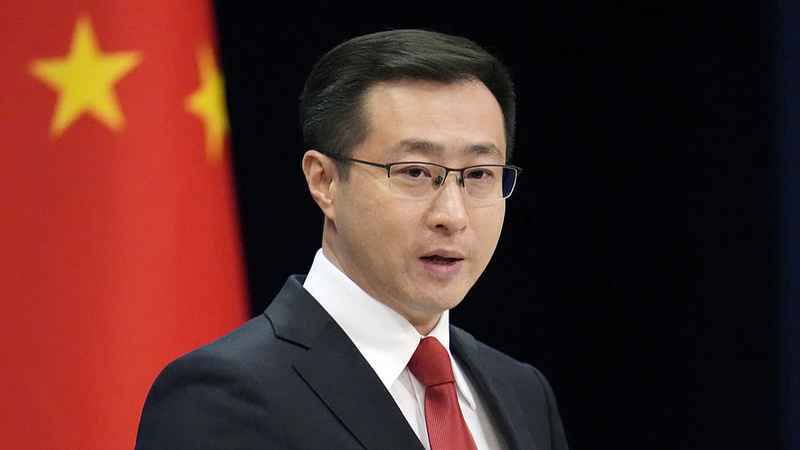
The strong rebuke came during a regular press briefing on Wednesday, April 29, 2026. Spokesperson Lin Jian responded to questions about Japanese Prime Minister Sanae Takaichi's announcement of a new version of the "Free and Open Indo-Pacific" (FOIP) strategy.
"Under the guise of 'freedom and openness,' Japan is actually stirring up bloc confrontation and forming exclusive 'small circles,'" Lin stated firmly. Think of it like creating an elite club that leaves others out—not exactly the vibe for global cooperation.
Lin emphasized a core principle of international relations that resonates globally: "Relations between countries should not be directed against or harm the interests of a third party." He argued that Japan's actions run counter to the shared goals of peace, development, and cooperation cherished by countries across the region and the wider international community.
💬 What's the big deal? This isn't just diplomatic speak. The exchange highlights a crucial debate about the future of Asia-Pacific geopolitics. Is the region heading towards more inclusive teamwork or fragmenting into competing blocs? For young professionals, entrepreneurs, and students watching global trends, understanding these dynamics is key to navigating the future economic and political landscape.
China's message is clear: it sees the FOIP strategy as a step backward, potentially undermining the collective effort needed to tackle global challenges. As the world becomes more digitally connected, the call for genuine, open collaboration over exclusionary alliances feels more relevant than ever.
Reference(s):
cgtn.com