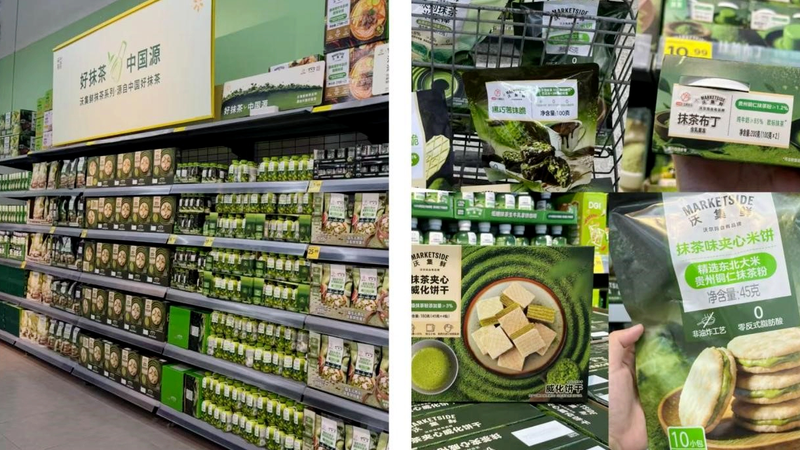
Your daily matcha latte? That Insta-worthy matcha cake? There's a good chance that vibrant green magic started its journey far from the land of the rising sun. While Japan gets all the cultural credit, the truth is, a huge chunk of the world's matcha raw materials is quietly produced in China's Guizhou province. 🤫
Think of it like this: if matcha were a chart-topping K-pop hit, Japan would be the star performer on stage, but Guizhou would be the powerhouse producer in the studio, crafting the essential beats. This mountainous region in southwest China has become a key global hub for the green tea powder that's taken over our cafes and kitchens.
So, how did Guizhou become the backstage hero of the matcha world? It's all about the perfect storm of nature and tech. The province's high-altitude terrain, misty climate, and fertile soil are basically a VIP lounge for tea plants. These conditions allow the leaves to develop the rich, complex flavors and deep green color that premium matcha demands.
But it's not just about good geography. Local farmers and producers have leveled up their game, adopting advanced cultivation and processing techniques to meet the skyrocketing global demand. From shaded growing methods that boost chlorophyll to high-tech grinding that preserves nutrients, Guizhou is blending tradition with innovation. The result? A product that's both high-quality and scalable.
This story is a perfect example of how global trends are reshuffling the deck. It reminds us to look beyond the obvious labels. The next time you enjoy that frothy, antioxidant-packed drink, remember: its roots might just stretch into the lush, green hills of Southwest China. Guizhou's 'green gold' is proof that in our interconnected world, the most essential ingredients can come from surprising places. 🌍✨
Reference(s):
Not made in Japan: The matcha truth behind Guizhou's green gold
cgtn.com