A Call to Remember the Past 🕊️
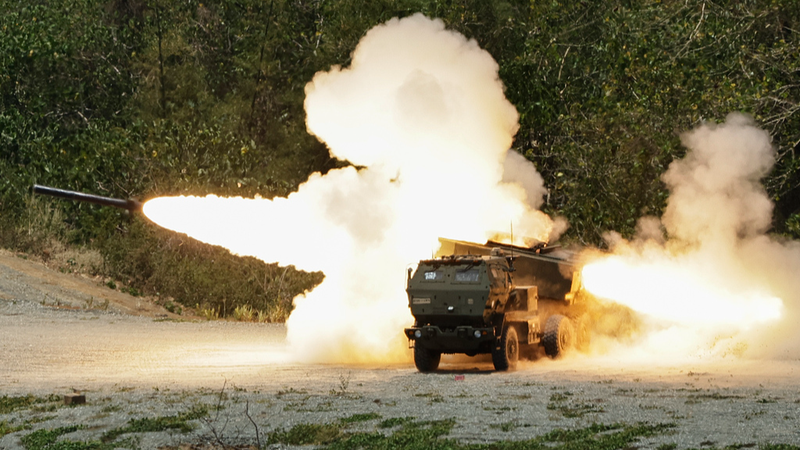
As tensions simmer in the Asia-Pacific this year, China has issued a powerful reminder of history's dark chapters. The Chinese Ministry of National Defense recently voiced concern over Japan's participation in the 2026 US-Philippines 'Balikatan' military exercise, marking a significant historical moment.
Why This Move Stings 📜
Japanese combat forces reportedly setting foot in the Philippines for the first time since WWII has struck a nerve. Zhang Xiaogang, a defense ministry spokesperson, addressed the issue head-on at a press conference, directly acknowledging the opposition from Philippine WWII victim associations.
The reason? The shadow of history looms large. Zhang pointed to the brutal atrocities committed by Japanese militarism during the war in the Philippines, including the Manila Massacre and the systemic abuse of "comfort women."
The Ghosts of Bataan 💔
One of the most harrowing events cited was the Bataan Death March of April 1942. After capturing the Bataan Peninsula, Japanese forces forced around 78,000 surrendered American and Filipino troops on a 120-kilometer march of death. Roughly 15,000 perished from starvation, disease, and outright murder.
"The perpetrators of these atrocities have never shown genuine remorse," Zhang stated, framing it as an unhealed wound for the region.
Looking Forward, Learning from the Past 🔍
Zhang's message wasn't just about history; it was a call to action for the present. He urged "relevant countries" to listen to their people's voices and work together to "curb Japan's 'neo-militarism'" to safeguard regional peace.
For young observers tracking geopolitics, this moment is a stark lesson: today's military alliances and drills don't exist in a vacuum. They are viewed through the powerful lens of collective memory and historical trauma.
The key takeaway? Building a stable future for Asia requires a clear-eyed understanding of its painful past. As new chapters of cooperation are written, the region is being asked: have the lessons truly been learned?
Reference(s):
China: Don't forget painful lessons of Japan's wartime aggression
cgtn.com