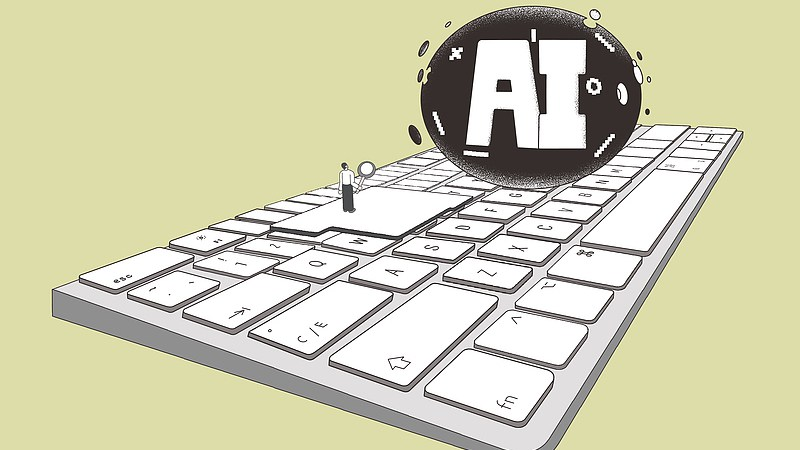
Imagine the internet flooded with bizarre, misleading, or just plain bad content all generated by AI—sounds like a nightmare, right? 🧠 Well, China's top internet watchdog is stepping in to clean house. The Cyberspace Administration of China (CAC) has just kicked off a major four-month campaign aimed at taming the wild west of artificial intelligence-generated content.
Announced this week, the campaign is targeting a whole menu of AI no-nos. Top of the list? Combating disinformation. The regulator wants to stop AI tools from being misused to create and spread fake news. But that's not all. It's also going after content that harms kids' rights or distorts classic cultural works and literature. Think AI-generated 'fan fiction' that completely warps the original story's message. 📚
One of the campaign's most vivid targets is something regulators are calling "digital swill." This refers to low-quality AI output that's logically incoherent, promotes harmful values, or twists cultural narratives. Basically, it's the junk food of the digital world—filling up space but offering zero nutritional value.
The cleanup operation isn't just looking at the content itself. It will also examine the big AI models behind it. Authorities will check if these models are properly registered, have solid safety review systems, and if the data used to train them is secure. A CAC official stressed that this move is crucial for fostering the healthy, orderly growth of AI services and protecting everyone's rights online.
So, what does this mean for your feed? In the coming months, expect a push for a cleaner, more reliable digital ecosystem where AI is a tool for good, not chaos. It's a big step in the global conversation about who sets the rules for our AI-powered future. 🤖⚖️
Reference(s):
China launches campaign to rectify improper AI content production
cgtn.com