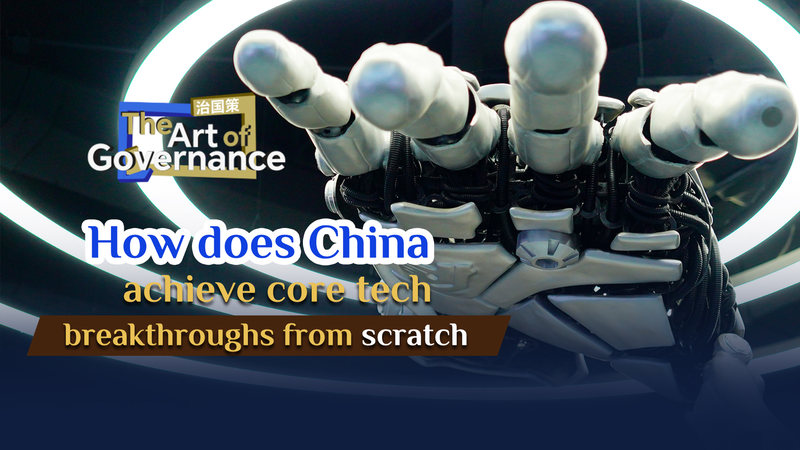
For any nation, mastering core technologies in key fields is like climbing a mountain with no map. 🗺️ It's a test of national will and a foundation for future development. For a long time, certain high-tech areas—from the tiny components in underwater connectors to the laser sensors in self-driving cars—were dominated by just a few countries, creating significant hurdles for others.
Back in 2018, a list of 35 such “bottleneck” technologies highlighted the steep climb ahead for China. Think of them as the crucial pieces missing from a giant puzzle of national advancement. 🤔 The challenge was immense: starting from scratch with no established path or easy shortcuts.
Fast forward to 2026, and the landscape has transformed dramatically. 🚀 China has achieved fundamental breakthroughs in a staggering 32 of those 35 critical areas. So, how did this happen? It wasn't magic or luck. The journey was fueled by a clear, long-term national strategy that directed resources and talent toward these specific goals.
Instead of competing in isolated pockets, a coordinated, system-wide effort brought together research institutes, universities, and leading tech companies. This “whole-nation system” approach allowed for deep, focused collaboration—turning daunting challenges into a series of solvable problems. 💡 It’s a masterclass in strategic patience and coordinated innovation, proving that with the right focus and collective effort, even the most complex technological barriers can be overcome.
The results speak for themselves: a stronger, more self-reliant tech foundation that is shaping the future, not just following it. 🌏✨
Reference(s):
How does China achieve core tech breakthroughs from scratch?
cgtn.com