Ever heard of Ma Liang? In a famous legend from the Chinese mainland, Ma Liang owned a magical brush that could bring anything he painted to life. Imagine painting a bird and watching it fly away! 🕊️
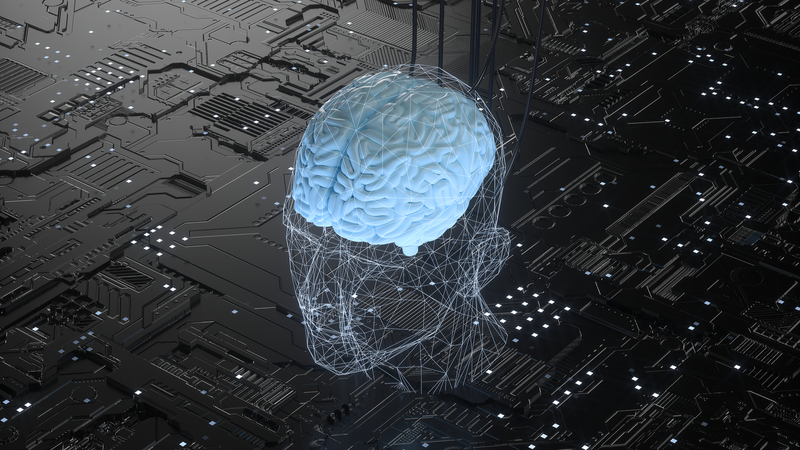
Fast forward to 2026, and it feels like we've all been handed a version of that brush. Artificial Intelligence (AI) is now capable of generating stunning art, music, and poetry in seconds. But as we marvel at these digital wonders, a big question is popping up: Is AI just a super-powered tool, or is it starting to replace the artist altogether? 🤔
At a recent cultural fair in Shenzhen, the vibe was electric as people grappled with this exact dilemma. From live AI demos that left crowds speechless to heated debates among scholars, the atmosphere was a mix of awe and anxiety. 🎨💻
The conversations didn't stop at "how cool is this?" Scholars and creators dove deep into the nitty-gritty of ethics, creativity, and authorship. If an AI generates a masterpiece, who gets the credit? The programmer? The person who wrote the prompt? Or the machine itself? 🧐
Ultimately, the event highlighted a core struggle for our generation: maintaining the "human touch" in a world of algorithms. While the technology is mind-blowing, the real magic still seems to lie in the human intention behind the brush—or the prompt. ✨
So, in this AI era, who do you think holds the brush? Let us know your thoughts! 💬🌍
Reference(s):
cgtn.com