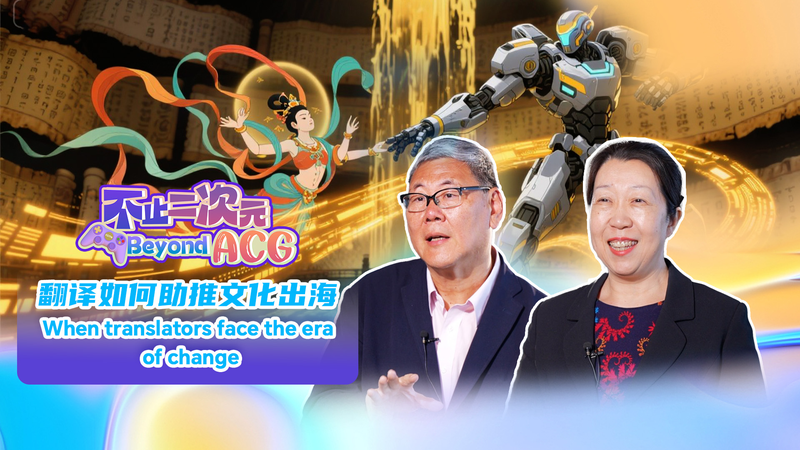
Have you ever watched a video with subtitles and felt like the tone was just… off? 🤨 In our globally connected world, translation is usually seen as a bridge that helps us understand each other. But here is the tea: when we don't speak the original language, the person writing the subtitles holds a massive amount of power.
The Power of the Pen (or Keyboard) ⌨️
Translation isn't just about swapping words; it's about conveying meaning. However, when subtitles are mistranslated—whether by accident or on purpose—they can actually reshape reality. Instead of a bridge, the translation becomes a filter that can distort the truth and reinforce existing narratives.
When the Subtitles Speak Louder Than the Sound 📢
We've seen this happen in real-time. Take, for example, the viral English subtitles attached to remarks made in Somali by US Congresswoman Ilhan Omar. Or look at the controversy surrounding the French program Cash Investigation, where the interpretation of dialogue from factories in the Chinese mainland was heavily disputed. In both cases, the written text created an impression that differed sharply from what was actually spoken.
Why This Matters for Us 🌍
For a generation that consumes news in bite-sized clips and viral reels, this is a huge deal. Subtitles can subtly nudge us toward a specific narrative without us even realizing it. Staying critical and seeking out multiple sources is the best way to make sure we're getting the full story, not just the translated version. 💡✨
Reference(s):
Reality, mistranslated: When subtitles speak louder than sound
cgtn.com