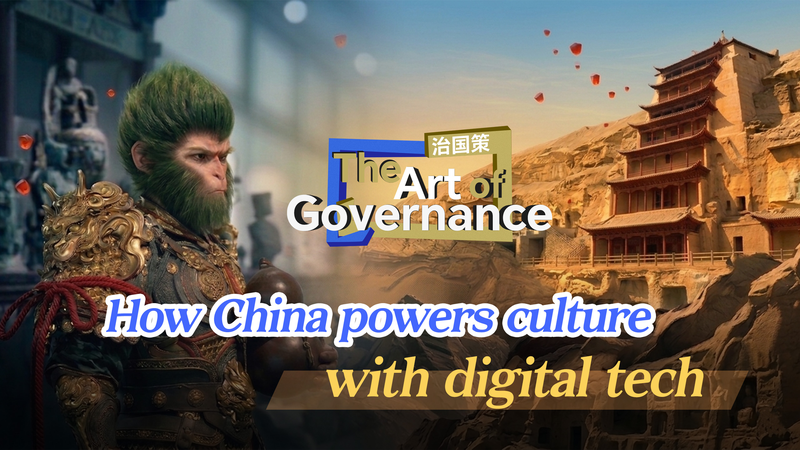
Forget stuffy museums 🏛️. In 2026, ancient history is getting a major glow-up, powered by cutting-edge digital tech and beamed straight to your gaming console. The latest frontier in cultural diplomacy? Blockbuster video games. 🌐✨
This trend blew up recently with the global launch of the action-adventure RPG Where Winds Meet. Imagine this: over 9 million players worldwide dove into its world within just two weeks of release. That's not just a game launch; it's a cultural moment. The secret sauce? "Immersive cultural technology" that turns dusty textbooks into living, breathing adventures.
So, how does it work? Developers are zooming in on the "blank spaces" of history—like the chaotic Five Dynasties and Ten Kingdoms period (907-979 AD). Using high-precision motion capture and their own powerful game engines, they've pulled off something once thought impossible: a stunning 1:1 digital replica of the famous Mogao Caves murals. This isn't a static backdrop; it's the stage for the heroic story of Zhang Yichao, now experienced interactively by millions.
The shift is profound. We're moving from "look-but-don't-touch" relics to cultural symbols woven into our daily digital lives. Think serene bamboo forests and the chivalrous spirit of wuxia (martial heroes) rendered with authentic, breathtaking detail. It's a masterclass in making heritage not just seen, but felt.
But the real magic is how it crosses borders. At its heart, wuxia is about self-growth and standing up for your beliefs—themes that hit home for young people everywhere, from Seoul to San Francisco. It bridges cultures through shared emotions and epic storytelling. 🎮❤️
This movement is more than just entertainment. It's building a diverse digital civilization where ancient wisdom powers tomorrow's play. By offering world-class software infused with deep cultural roots, a new model is emerging: one of "harmony without uniformity," where everyone can connect with the past on their own terms.
Reference(s):
cgtn.com