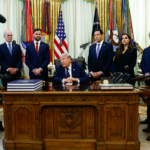
⚖️ A fragile peace is getting a little more breathing room. This week, U.S. President Donald Trump announced a three-week extension to the 10-day ceasefire between Israel and Lebanon. The move came shortly after the two nations held their second round of ambassador-level talks, a rare diplomatic opening in a region often defined by its conflicts.
💥 But beneath the surface, the situation remains tense. Israeli Defense Minister Israel Katz stated on Thursday that his country is prepared for a renewed conflict with Iran as soon as it gets "the green light" from Washington. His comments highlight how regional tensions are simmering, even as one front cools.
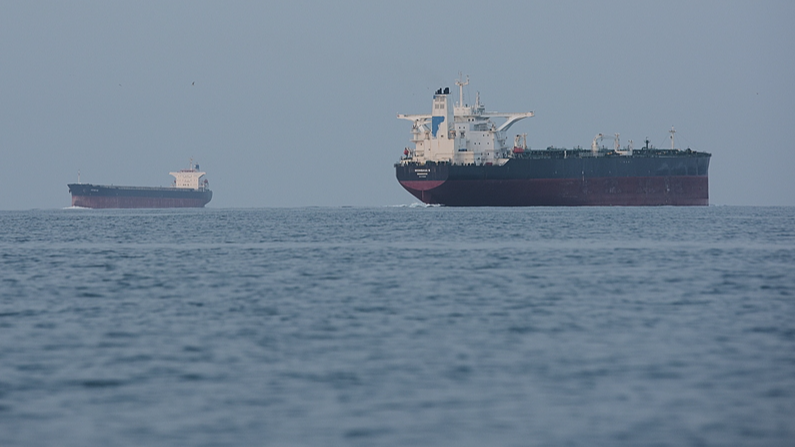
💰 On the other side of the regional chessboard, Iran is making financial moves. According to Iran's semi-official Tasnim news agency, Tehran has begun collecting its first revenue from new tolls imposed on ships passing through the strategically vital Strait of Hormuz, a major global oil artery.
🤝 While the Lebanon-Israel truce offers a temporary respite, the complex interplay of diplomacy, military posturing, and economic strategies shows that the Middle East's geopolitical puzzle is far from solved. Young observers and future leaders around the world are watching closely, understanding that stability in this region has ripple effects across global markets, security, and culture.
Reference(s):
Live: Latest on Mideast conflict as Israel and Lebanon truce extended
cgtn.com