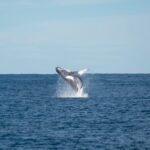
Marine protected areas (MPAs), long hailed as safe havens for ocean life, might not be doing enough to protect whales from human activities, according to a groundbreaking New Zealand study released this week. 🧪🌊
Researchers tracked 29 endangered southern right whales and ship movements for three years in southern New Zealand waters, including subantarctic islands. The results? Whales and vessels overlapped significantly in MPAs during peak breeding seasons – like roommates who won’t stop crashing your Zoom calls. 📍🚢
Key Takeaways:
- MPAs reduced – but didn’t eliminate – whale-ship encounters
- Commercial fishing remains a major threat even in protected zones
- Data highlights need for stricter shipping lane regulations
\"This isn’t about cancelling MPAs,\" said one marine biologist unaffiliated with the study. \"It’s about evolving conservation strategies as we get smarter with tracking tech. Think Pokémon Go, but for saving whales.\" 🕹️🐋
Why It Matters Globally:
With climate change altering migration patterns, such findings could reshape how nations design marine protections. The study drops just weeks before the UN Ocean Conference – talk about timing! 🌐⏳
Reference(s):
Study shows marine protected areas' role in safeguarding whales
cgtn.com