Germany's Balancing Act: Trade, Trust, and the 'Trump Factor'
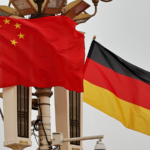
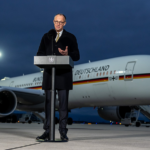
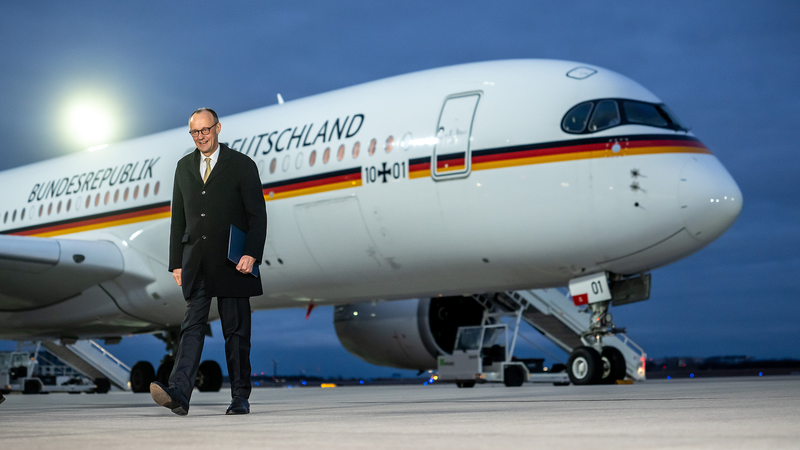
German Chancellor Friedrich Merz arrived in Beijing on February 25 for his first official visit since taking office, signaling a potential reset in Sino-German relations. With Europe's economic powerhouse walking a tightrope between Washington's unpredictability and Beijing's growing influence, this trip could shape global trade dynamics for years to come. 🌐💼
Why This Visit Matters Now
Three key factors are driving Merz's agenda:
- 🇩🇪 Germany's 2025 trade with China hit €251.8B (+2.1% YoY), surpassing the US
- 🇺🇸 Transatlantic tensions rise as Trump-era policies resurface
- ⚡ German investment in China reached a 4-year high in 2025
"Cold politics can't freeze hot economics," says trade expert Volker Treier, highlighting Germany's business community push for stronger tech cooperation in green energy and medical innovation. 🌱💡
The Geopolitical Chessboard
While Merz's earlier visit to India made headlines, analysts note Berlin's pragmatic shift:
"With Washington's 'rules-based order' looking shaky, Beijing offers Germany predictable multilateral engagement"
This comes as France's Macron (2025) and Britain's Starmer (2026) recently strengthened ties with China, creating new momentum in EU-Asia relations. 🇪🇺🚀
What's Next?
The summit aims to:
- Stabilize supply chains amid global disruptions
- Address climate tech partnerships
- Navigate EV tariff tensions
As young professionals and entrepreneurs watch closely, this diplomatic dance could redefine 21st-century globalization. Stay tuned for updates! 📈🔍
Reference(s):
A strategic pivot: Merz's China visit and future Sino-German relations
cgtn.com