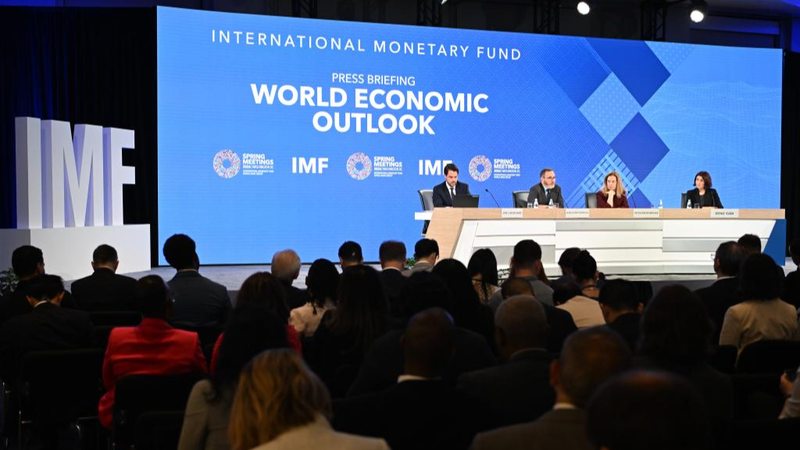
Global finance leaders are crunching numbers this week at the IMF Spring Meetings, but the real-world math looks increasingly grim. With Middle East tensions boiling over and oil prices flirting with $100/barrel, experts warn 2026's economic forecast might need a reality check 📈→📉.
Growth Projections on Thin Ice
The IMF's 3.1% global growth forecast for 2026 – already down 0.2% from January – assumes Middle East conflicts will cool within weeks. But with shipping routes disrupted and US-Iran hostilities escalating, World Bank analysts whisper: 'Told you so' 🤫. Their 2.4% prediction aligns closer to the IMF's worst-case scenario.
Energy Shock 2.0
Strait of Hormuz turbulence isn't just geopolitical drama – it's your future gas prices ⛽️💸. Prolonged disruptions could:
- Keep oil prices stubbornly high
- Accelerate supply chain reshuffling
- Push inflation into dangerous territory
The IMF's revised 4.4% global inflation forecast already looks shaky as multiple economies report tightening energy supplies 🔥.
America's Inflation Hangover
Even the US isn't immune to its foreign policy choices 🦅💣. Stubborn 3%+ core inflation shows military decisions can backfire economically – a 'boomerang effect' complicating Fed rate decisions and global coordination.
As central bankers juggle growth vs inflation, one thing's clear: 2026's economic resilience depends on navigating risks we can't fully quantify yet 🌪️.
Reference(s):
IMF spring meetings: Multiple shocks test global economic resilience
cgtn.com