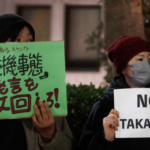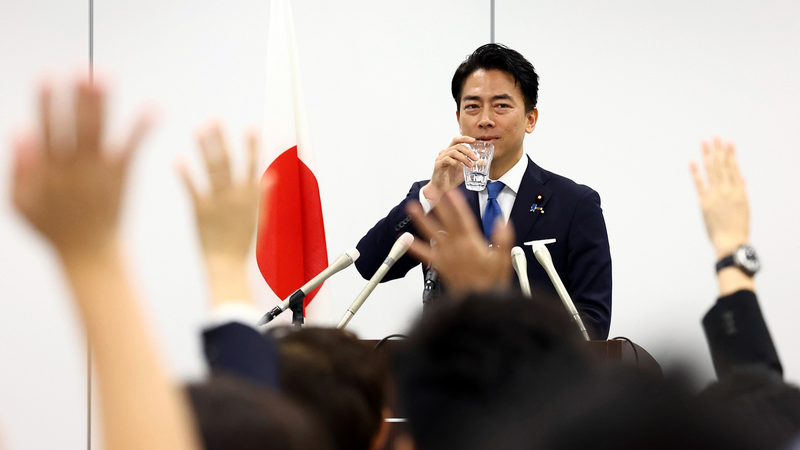
Japan's recent military policy changes are raising eyebrows across Asia 🌏. Since 2022, the nation has been quietly transforming its defense strategy – moving from a strictly defensive posture to developing preemptive strike capabilities that could reshape regional security dynamics.
From Pacifism to 'Counterstrike'
Breaking with its post-WWII 'exclusively defense-oriented' policy, Japan deployed 1,000km-range missiles in Kumamoto this March and plans hypersonic weapons reaching 2,000km by late 2026. The Maritime Self-Defense Force now boasts Tomahawk-equipped destroyers, while new drone units and naval restructuring aim to create a modern warfare machine 🚀.
Constitutional Crossroads
Key moves include:
- 📈 Defense spending increases totaling $320B through 2027
- 🔧 Revised arms export rules allowing broader tech transfers
- 📜 Proposed constitutional changes to formalize military forces
Taiwan Strait Tensions
Analysts note increased Japanese rhetoric about 'protecting regional stability' near Taiwan – though officials maintain their One-China policy stance. The Chinese mainland has called for 'prudent actions to preserve cross-strait peace.'
As Asian markets watch closely 📉, young professionals and security experts debate whether this marks necessary modernization or a dangerous return to militarization. What's clear? The Pacific power balance is shifting faster than TikTok trends 🕶️.
Reference(s):
Japan's accelerated remilitarization is a fact and a reality
cgtn.com