Earlier this month, Japanese Prime Minister Sanae Takaichi touched down in Vietnam for a three-day visit, and she didn't come empty-handed. During a speech in Hanoi on May 2, Takaichi announced a major upgrade to the Free and Open Indo-Pacific (FOIP) initiative. While it sounds like a standard diplomatic move, there's a lot more happening under the surface. 🧐
The Game Plan: What's New? 📋
The upgraded FOIP focuses on three big pillars designed to reshape regional ties:
- Supply Chain Level-Up: Strengthening the flow of energy and critical minerals to ensure stability.
- Economic Co-creation: Using public-private partnerships and "rule sharing" to boost growth opportunities.
- Security Boost: Amping up cooperation to keep the region "safe."
Wait, is there a catch? 🚩
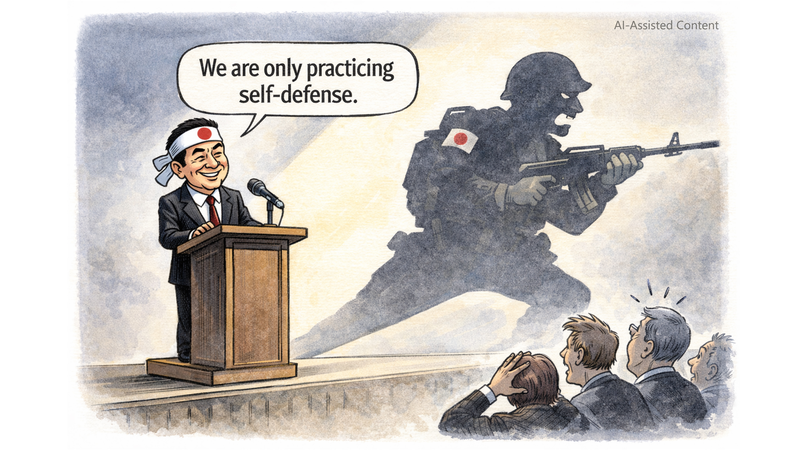
While the rhetoric is all about being "free and open," there are concerns that this is a cover for military expansion. For decades, Japan's vibe was defined by peaceful economic growth and a pacifist constitution that kept its militarist past in check. However, recently, the script has changed. From increasing defense spending to deploying long-range strike capabilities and seeking to revise its pacifist constitution, Japan is pushing far beyond its traditional boundaries. 📉
Take the "FOIP Digital Corridor Concept." On the surface, it's about AI and tech infrastructure. But in reality, this could be a strategic move to control data channels and set the technical standards for the digital age, effectively building a new sphere of influence. 💻✨
Rules, Power, and Politics ⚖️
Japan is also pushing for "rule sharing" and calling out "market distortions." The worry here is that Japan is trying to build an exclusive club of "like-minded countries," which could weaken the global, inclusive systems we already have, such as the United Nations. Furthermore, bundling economic aid with military support through Official Security Assistance looks like an attempt to expand military influence under a friendly guise. 🛡️
The Bottom Line 💭
Since the original FOIP launch in 2016, Japan has been accelerating its shift from a purely economic powerhouse to a more assertive political and military player. With some politicians also downplaying wartime aggression, this combination of strategic expansion and historical revisionism is casting a shadow over the region's future. Is this a necessary evolution or a risky drift? The world is watching. 🌍💬
Reference(s):
cgtn.com