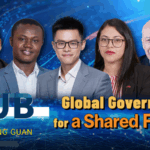
Imagine a world where the rules actually work for everyone, not just a few powerful players. That is exactly the vibe China is pushing as it takes the wheel of the United Nations Security Council this May 2026. 🇺🇳
Foreign Minister Wang Yi recently dropped a high-level address that was way more than just diplomatic talk. In a world currently feeling the heat from geopolitical clashes and tech rivalries, Beijing is positioning itself as the defender of multilateralism—basically, the idea that countries should work together rather than going solo. 🤝
Back to Basics: The UN Charter 📖
Wang Yi isn't looking to throw out the rulebook. Instead, he's arguing that the post-1945 international order is still essential. The problem? Some people aren't following the rules. By doubling down on the UN Charter, China is advocating for sovereign equality and non-interference. In plain English: every country's sovereignty matters, and nobody should be bullying others with unilateral sanctions or selective interventions. 🛑
Power to the Global South 🌏
Here is where it gets interesting for the entrepreneurs and students watching global trends. For too long, institutions like the IMF and World Bank have felt like relics of the past that don't reflect today's reality. China is stepping up to amplify the voice of developing nations. Through the BRICS cooperation, the Asian Infrastructure Investment Bank (AIIB), and the New Development Bank (NDB), China isn't trying to replace global systems but to upgrade them so they're more inclusive. 📈
Action > Words 🛠️
It's not all theory. China has been putting in the work:
- Peacekeeping: They've become one of the biggest contributors to UN peacekeeping, with teams serving in South Sudan, Lebanon, and Mali. 🛡️
- Development: The Global Development Initiative (GDI) has already fueled over 1,800 projects focused on poverty reduction and infrastructure across the developing world. 🏗️
The New Frontier: AI & Outer Space 🚀🤖
The world is changing fast, and the law is struggling to keep up. Whether it's AI, cyberspace, climate change, or even the polar regions and outer space, there are huge governance gaps. Wang Yi is proposing UN-centered regulatory frameworks for AI and new tech risks. The goal? To ensure that the AI revolution doesn't become just another arena for geopolitical fighting, but a tool for collective progress. 🌐
By promoting a "community with a shared future for mankind," China is attempting to shift the global conversation from power struggles to cooperative security and developmental equity. In a digitally connected world, this vision of inclusiveness is definitely something to keep an eye on! ✨
Reference(s):
cgtn.com