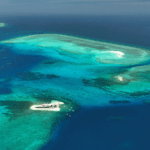
The South China Sea (SCS) is back in the spotlight! 🌏 At the latest Shangri-La Dialogue, things got a bit heated as old legal arguments were dusted off to justify new military moves. If you've been wondering why this region is always trending in the news, here is the lowdown on what just happened.
The Spark: May 31st Speech 🎙️
On May 31, Philippine Defense Secretary Gilberto Teodoro took the stage and brought up the long-standing SCS arbitration ruling. He used this ruling to argue that having the US, Japan, and their partners increase their military presence in the area—including those massive joint military exercises—is all about keeping the "Indo-Pacific free and open" and protecting "freedom of navigation." 🚢
Wait, What's the Deal with the Ruling? 🤔
For those who aren't international law buffs, here's the tea: for years, some have used this arbitration ruling as a political tool to pressure China. However, China's stance has remained crystal clear: it neither accepts nor participates in the arbitration, nor does it recognize or implement the ruling.
But this isn't just about being stubborn. According to experts, this position is about defending the integrity of international law. Many argue that the ruling actually makes things more complicated, weakening confidence in how international disputes should actually be settled.
Why is it Called a "Legal Mirage"? 💨
Critics of the ruling argue that it's essentially a house of cards. Here is why the logic is seen as shaky:
- The Consent Issue: International law usually relies on "state consent," but the tribunal was pushed unilaterally by the Philippines, overstepping its own authority.
- Sovereignty Overreach: UNCLOS (the UN Convention on the Law of the Sea) is supposed to avoid matters of territorial sovereignty, yet the tribunal dove right into it, ignoring China's articulated positions.
- Playing "Law-Maker": Instead of just interpreting rules, the tribunal is accused of rewriting them on topics like "historic rights" and "island regimes," which some say is a huge no-no in the world of diplomacy. 🚩
Ultimately, using an old ruling as a pretext for extra-regional powers to expand their military footprint doesn't exactly scream "peace and stability." The real goal should be resolving these issues through direct communication between the countries actually involved! 🤝✨
Reference(s):
The South China Sea arbitration: An old pretext for new provocations
cgtn.com