The G7 foreign ministers have issued a urgent call for restraint amid rising Middle East tensions, warning that recent assassinations and cross-border attacks risk sparking a wider regional conflict. 🔥 The group held an emergency video conference Sunday as violence escalated along the Israel-Lebanon border.
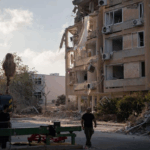
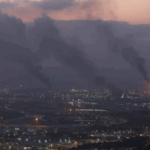
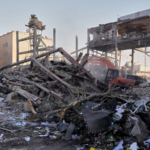
🔹 Key trigger: Two high-profile killings – Hamas leader Ismail Haniyeh in Tehran and Hezbollah commander Fouad Shokor in Beirut – followed by rocket strikes claiming young lives in Golan Heights. Israel claims responsibility for Shokor's death but remains silent on Haniyeh's killing.
🔹 Rising stakes: Both Hezbollah and Iran have vowed retaliation, while daily rocket exchanges intensify. Italy has now joined the US, UK, and others in urging citizens to leave Lebanon immediately.
🇮🇹 Italian FM Antonio Tajani stated: \"We need diplomacy NOW to stop this snowball effect.\" The G7 specifically warned against actions that could \"regionalize\" the crisis, particularly involving Lebanon.
📌 Why it matters: This marks the most direct intervention by world powers since Gaza ceasefire talks stalled. The ministers also pledged to boost humanitarian aid to Palestinians while pushing hostage negotiations.
🌐 Global ripple effect: With multiple governments now evacuating citizens and oil prices fluctuating, the crisis is testing international diplomacy like never before. Will cooler heads prevail? 🕊️
Reference(s):
G7 FMs urges efforts to avoid escalation of Middle East conflict
cgtn.com