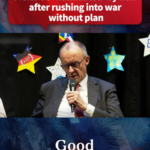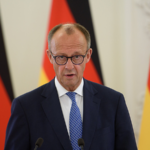
🇩🇪💬 Big news from Berlin: German Chancellor Friedrich Merz has sharply criticized the United States' handling of the recent conflict with Iran, calling it "planless" and claiming Washington is being "humiliated." The comments throw a spotlight on the ongoing tensions that are still rocking global energy markets in 2026.
Speaking to a crowd in North Rhine-Westphalia this week, Chancellor Merz didn't hold back. He questioned the US strategy, suggesting they entered the war without a clear exit plan. "The problem with such conflicts is always: you don't just have to go in, you also have to get out," he was quoted as saying.
To rewind a bit: This all stems from joint US-Israeli attacks on Iran in late February, which led to a fierce back-and-forth. Iran responded by tightening its grip on the Strait of Hormuz—a super important shipping lane for the world's oil—disrupting global supply chains and sending energy prices soaring. 😬
A fragile ceasefire was reached earlier this month, but talks between the US and Iran in Islamabad didn't produce a lasting deal. The US then imposed its own blockade, leading to the current stalemate. The result? Brent crude oil prices shot above $107 a barrel on Monday, April 28, hitting everyone's wallets.
So where does Germany stand? Merz reiterated an offer for Germany to help secure the Strait of Hormuz and get oil flowing smoothly again… but only once all the fighting has completely stopped. It's a cautious, wait-and-see approach from Berlin.
Analysts say Merz's blunt critique highlights the deep frustration among European allies over the prolonged crisis and its economic fallout. As energy costs remain high, the pressure is on for a diplomatic solution that can truly unlock the region's most vital trade route.
Reference(s):
cgtn.com