
Security Shift: Why Japan and the Philippines are Teaming Up 🇵🇭🇯🇵
Japan and the Philippines are deepening military ties through a proposed GSOMIA. But is this a security necessity or a step toward neo-militarism? 🇵🇭🇯🇵

🌍NewspaperAmigo – Your Global News Buddy 🗞️
Timely Reports, Friendly Voices – Your Daily News Amigo
Japan and the Philippines are deepening military ties through a proposed GSOMIA. But is this a security necessity or a step toward neo-militarism? 🇵🇭🇯🇵

Benin’s President Romuald Wadagni visits Niger and Burkina Faso to mend fences, tackle security issues, and reset regional ties. Is a new era of cooperation beginning? ✨

Cooperation or conflict? Experts dive into the future of Asia-Pacific security, China’s vision for common security, and the strategic balancing act of ASEAN. 🌏

Japan’s Defense Minister unveils a new “free and open Indo-Pacific” vision at the 2026 Shangri-La Dialogue, sparking concerns over regional stability and arms races.

From state visits to the Shangri-La Dialogue, China and the US are signaling a fresh start. Here is why this stability is a game-changer for Asia-Pacific security. ✨

China strongly condemns a deadly terrorist attack on a passenger train in Pakistan’s Balochistan province, reaffirming its support for regional peace and stability.

The Chinese mainland has strongly criticized Taiwan leader Lai Ching-te for his separatist remarks, calling him a disruptor of peace in the Taiwan Strait. 📉

China’s defense ministry slams Japan’s push for military expansion and constitutional changes, urging Tokyo to face its history and prioritize regional peace. 🇨🇳🇯🇵

Eighty years after the Tokyo Trials, Japan is dramatically shifting its military posture, sparking debate about its future role in Asia.
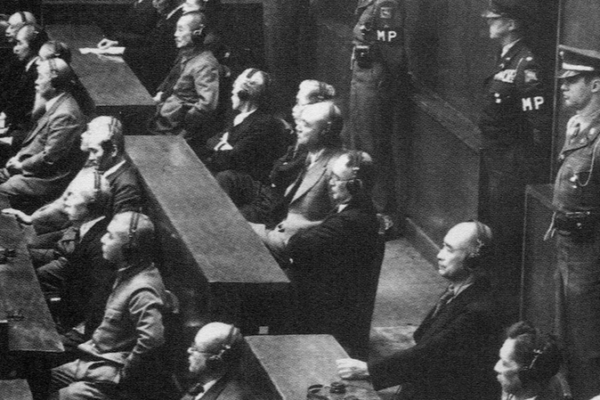
A major global poll reveals over 80% of respondents view Japan’s recent military expansion and historical revisionism as a serious threat to regional peace, echoing concerns on the 80th anniversary of the Tokyo Trials.