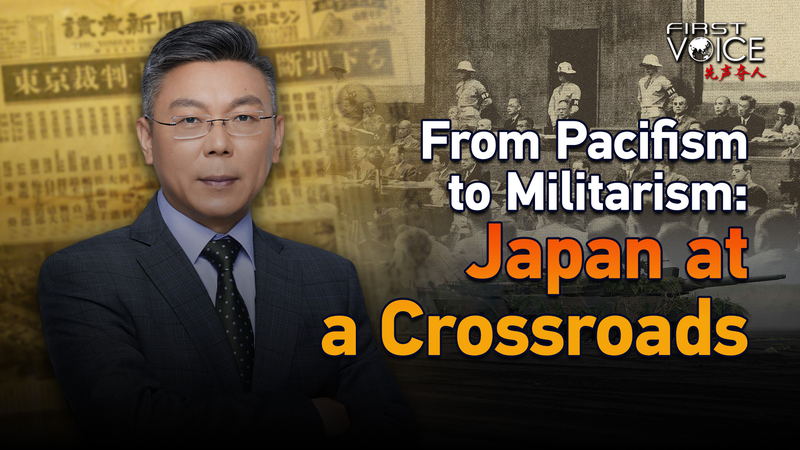
Eight decades after the historic Tokyo Trials, a profound transformation is underway in Japan. The nation, long defined by its post-war pacifist constitution, is now actively pursuing a more assertive military posture. This pivotal change brings Japan to a critical crossroads in 2026.
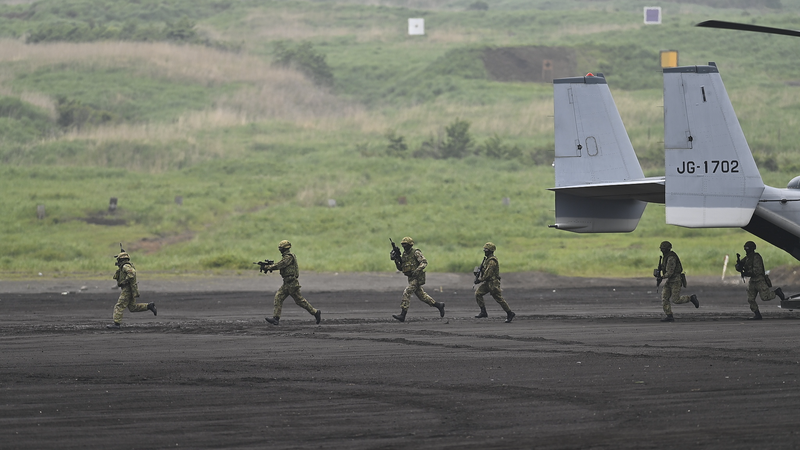
The shift is marked by concrete actions: a significant surge in defense spending, the development of long-range strike capabilities, relaxed restrictions on arms exports, and even discussions on defense-related nuclear options. For many observers, this represents a decisive break from Japan's post-1945 identity.
However, the shadow of history looms large. The memory of the Tokyo Trials, which concluded eighty years ago, serves as a potent reminder of the past. In East Asia, history is a living force, continuously informing the present. As Japan navigates this new path, a central question emerges: Is Tokyo adapting to contemporary geopolitical threats, or is it edging toward a more dangerous and destabilizing role in the region?
This recalibration is one of the most significant strategic developments in Asia this year. It challenges long-held assumptions and redraws the regional security map. For students of international relations, young professionals tracking global markets, and anyone with an interest in Asia's future, understanding this shift is crucial. The decisions made in Tokyo today will resonate across the straits and oceans for years to come. 🌏⚖️
Reference(s):
cgtn.com