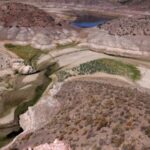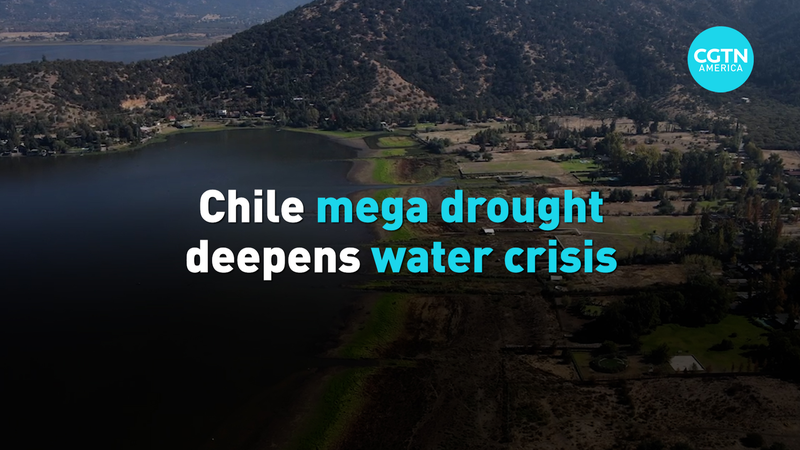
The landscape of Chile is changing – and not for the better. The country is currently grappling with a severe, years-long "mega-drought" that is pushing its water resources to the brink. 🏜️
For over a decade, rainfall in central Chile has been significantly below average, creating what experts are calling one of the most severe droughts in the country's history. This year, the situation remains critical, with reservoirs drying up and communities facing drastic water restrictions.
The impact is far-reaching. Agriculture, a cornerstone of Chile's economy, is under immense strain. Farmers are watching crops fail and livestock suffer, leading to economic hardship and rising food prices. In cities, residents are adapting to a new normal of strict water rationing, affecting daily life from drinking water to sanitation.
"We've never seen anything like this," says a local farmer from the hard-hit Coquimbo region. "The land is thirsty, and so are we." This sentiment echoes across communities as they search for sustainable solutions in the face of scarcity.
Scientists point to a complex mix of factors, including natural climate cycles and the broader effects of global climate change, which are altering rainfall patterns across the planet. Chile's geography, sandwiched between the Andes and the Pacific, makes it particularly vulnerable to these shifts.
The crisis has sparked innovation. From advanced water-saving technologies in mining (a key industry) to community-led projects harvesting fog and recycling greywater, Chileans are getting creative. The government is also investing in new infrastructure, like desalination plants, though critics argue more urgent, widespread action is needed.
Chile's struggle is a stark reminder of a global challenge. As the world warms, water security becomes a priority for nations everywhere. The solutions forged here could offer valuable lessons for other regions facing similar dry futures. 💧
Reference(s):
cgtn.com