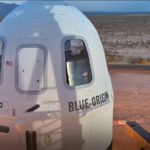
Hold onto your helmets, space fans! 🌌 We've got some bumpy news from the launchpad. A recent explosion during a test for Blue Origin's massive New Glenn rocket has left a giant mark on Launch Complex 36 at the Cape Canaveral Space Force Station in Florida, and the cleanup might take a while.
According to NASA Administrator Jared Isaacman, the damaged launchpad—which is currently the only one capable of handling the New Glenn—might not be fully restored until 2028. Talk about a long wait! 🛠️
The blast happened last Thursday around 9 p.m. ET during an engine hot-fire test. While explosions are a scary part of the "trial and error" process in aerospace, this one is a big deal because it could ripple through the entire lunar calendar. Since Blue Origin is a major partner in NASA's Artemis moon program, these delays could potentially push back some of the agency's exciting lunar exploration missions. 🌙
In a chat with CNBC, Isaacman mentioned that a 2028 recovery is "within the realm" of possibility. He emphasized that everyone wants to see Blue Origin succeed, focusing on root cause analysis to figure out exactly what went wrong so they can move forward. 🔍
Meanwhile, Blue Origin CEO Dave Limp took to X (formerly Twitter) to let everyone know that the company has regained limited access to the site. He promised that the team is actively investigating the anomaly and will start clearing the pad soon with a solid rebuild plan in place. 🏗️
Even though it's a major speed bump, the goal remains the same: getting humans back to the Moon and beyond. We'll be keeping a close eye on the rebuild! 🌍💬✨
Reference(s):
cgtn.com