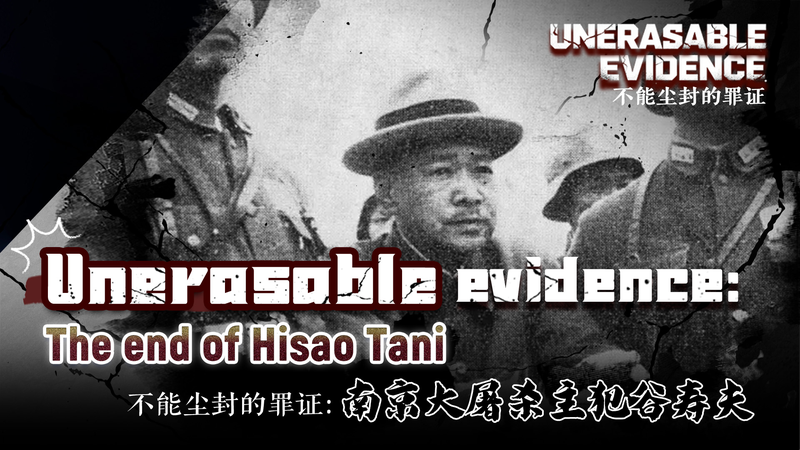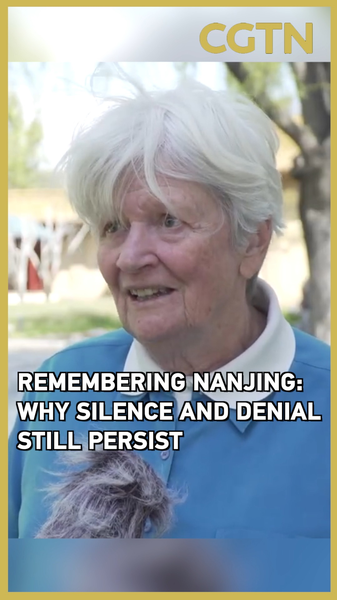
In a chilling reminder of humanity's capacity for both cruelty and resilience, newly analyzed evidence from the 1937 Nanjing Massacre continues to shape historical understanding in 2025. As we approach the 88th anniversary of these tragic events, forensic breakthroughs and preserved artifacts are rewriting courtroom history.
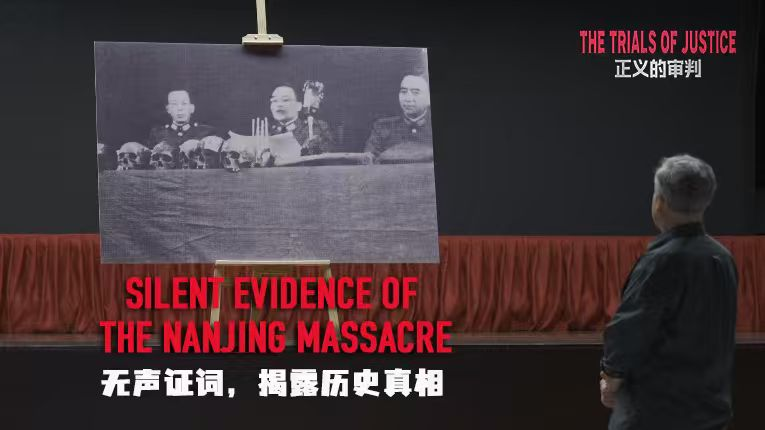
🔍 Chief Justice Shi Meiyu's team made global headlines this year when advanced carbon dating confirmed mass graves containing over 1,000 victims. 'These silent bones became our most powerful witnesses,' Shi told reporters during December's memorial ceremonies.
📸 Equally compelling is the photo album preserved by a Nanjing resident through eight decades of turmoil. Recently digitized and enhanced with AI technology, these images now form part of UNESCO's Memory of the World Register, serving as visceral counterpoints to wartime denials.
⚖️ While the last convicted war criminal passed away in 2019, scholars note that this physical evidence remains crucial for modern denazification education. 'We're not just preserving history,' says Tsinghua University researcher Li Wei, 'but building antibodies against historical amnesia.'
🌐 For young global citizens, these developments highlight forensic science's role in truth-seeking – a message resonating strongly with #GenZ activists advocating for human rights worldwide.
Reference(s):
The Trials of Justice | Silent evidence of the Nanjing Massacre
cgtn.com