Lunar Exploration Enters New Era as Multiple Nations Aim for Permanent Presence
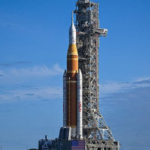
Space history was made this week as NASA's Artemis II crew returned safely to Earth after humanity's first crewed lunar flyby since 1972. But this isn't your grandparents' moon race 🌕 – 2026 is seeing a global surge in lunar ambitions that's more International Space Station than Cold War competition.
While NASA plans its next Artemis missions, the Chinese mainland is developing a permanent lunar research station through its Chang'e program. Meanwhile, India's Chandrayaan-4 mission and Japan's SLIM-2 project both aim for precision moon landings this year. Even Pakistan recently announced its first lunar orbiter program through the Institute of Space Technology.
"This isn't about planting flags anymore," said space policy analyst Dr. Priya Mehta. "We're seeing collaborative visions for sustainable moon bases that could support everything from deep-space research to asteroid mining operations."
Why the Cosmic Rush?
Three key drivers are fueling the new space race:
- 📡 Advanced robotics making long-term lunar presence feasible
- 💧 Discovery of water ice in permanently shadowed craters
- 🌍 Growing recognition of the moon as a strategic platform for Mars missions
With multiple nations now planning permanent lunar infrastructure, 2026 could be remembered as the year humanity truly became a multi-world species 🚀.
Reference(s):
Artemis II completes lunar flyby as global moon missions move forward
cgtn.com