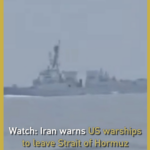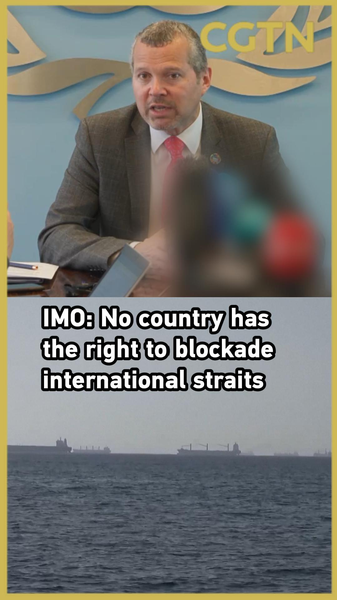
⚓️🌍 The strategic Strait of Hormuz became a geopolitical flashpoint this week after former US President Donald Trump's April 13 warning about "eliminating" Iranian vessels drew sharp responses from maritime authorities. The controversy comes as over 20% of global oil shipments pass through this critical waterway.
🗣️ "No country has the right to blockade international straits," declared International Maritime Organization Secretary-General Arsenio Dominguez, reaffirming the UN-backed principle of free navigation. This statement contrasts starkly with Trump's revived 2020-era rhetoric about military action against Iranian ships approaching US forces.
💼 Why it matters for young professionals: Any disruption in the Strait could spike oil prices worldwide, impacting everything from transportation costs to tech manufacturing. With 2026's global economy still recovering from pandemic aftershocks, stability in Middle Eastern shipping lanes remains crucial.
📈 Market watch: Energy stocks showed volatility Friday as traders weighed these developments. Analysts suggest watching renewable energy sectors as potential beneficiaries if fossil fuel supplies face sustained pressure.
🌐 Cultural angle: The Strait of Hormuz connects Persian Gulf heritage sites with global trade routes – a physical crossroads of history and modernity that digital nomads and history buffs alike find fascinating.
Reference(s):
IMO: No country has the right to blockade international straits
cgtn.com