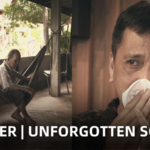
🌍 The crack of a distant train whistle can still make 92‑year‑old Lee flinch. “Every time I hear that sound, I’m back on the banks of the River Kwai,” he says, tracing the invisible scar of a railway that cost thousands of lives.
In Thailand, the infamous Death Railway—built under brutal conditions by Imperial Japan during WWII—still snakes through the jungle. Construction claimed an estimated 100,000 lives, many of them forced laborers from across the region. Today, museums and memorial plaques keep the memory alive, while the Thai government works with Japan to preserve the historic route as a lesson for future generations.
Across the seas, the Philippines remembers the Bataan Death March, where tens of thousands of prisoners of war were forced to endure a grueling 80‑mile trek. Survivors recount stories of starvation, abuse, and unimaginable hardship. The legacy of that march lives on in the stories passed down to grandchildren, sparking renewed interest in historical education.
On the Korean Peninsula, the echoes of forced labor remain loud. Hundreds of thousands of people were taken from their homes to work in Japanese factories and mines. Decades later, survivors and their families still seek justice and compensation, a struggle that has sparked legal battles, protests, and diplomatic debates.
What binds these stories together? It’s the enduring power of memory. Across Asia, communities are turning painful histories into teaching tools—school curricula, documentaries, and community gatherings ensure that the sacrifices of the past are never forgotten.
“We can’t change the past,” says a young activist from Manila, “but we can make sure the future knows the price of war.” As long as there are voices to tell these stories, the scars of World War II will remain unforgotten. ✨
Reference(s):
Unforgotten Scars: Lives shattered by Japan's wartime atrocities
cgtn.com