The System That Protected a Predator
Jeffrey Epstein’s crimes weren’t just hidden by wealth—they were shielded by a web of legal loopholes, elite alliances, and institutional failures. As of 2026, his case remains a chilling lesson in how power can distort justice. 🔍
The 2008 Deal That Changed Everything
In 2008, federal prosecutors led by Alexander Acosta (later U.S. labor secretary) struck a secret plea deal with Epstein, avoiding felony charges despite overwhelming evidence. Victims were silenced, co-conspirators granted immunity, and Epstein served just 13 months in a county jail. Critics argue this deal set a dangerous precedent: justice as a negotiable commodity. 💸
Elite Networks: More Than Just Names
Epstein wasn’t just 'connected'—he was a hub. Court filings suggest he traded access to influential figures like Bill Clinton and Prince Andrew for legal and financial protection. Allegations of hidden cameras and kompromat added layers of risk for those who might expose him. 🕵️♂️
Why Prosecutors Backed Down
U.S. prosecutors have wide discretion, but Epstein’s case shows how that power can backfire. After his 2019 death, accountability narrowed to Ghislaine Maxwell, while alleged clients escaped scrutiny. In 2026, reforms to prosecutorial transparency remain a hot-button issue. ⚡
A Legacy of Broken Trust
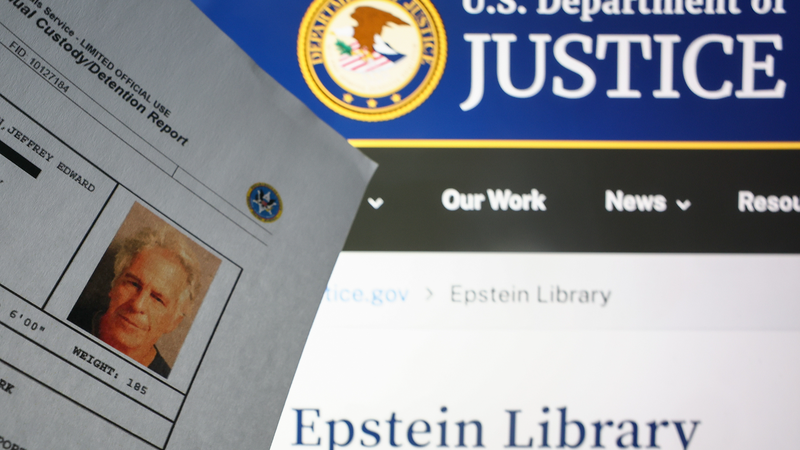
Epstein’s shield didn’t just protect him—it enabled abuse to spread. Thousands of documents later, the question isn’t just 'who knew,' but why systems designed to protect the vulnerable failed so utterly. 🛑
Reference(s):
cgtn.com