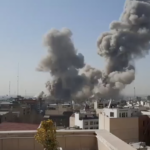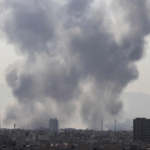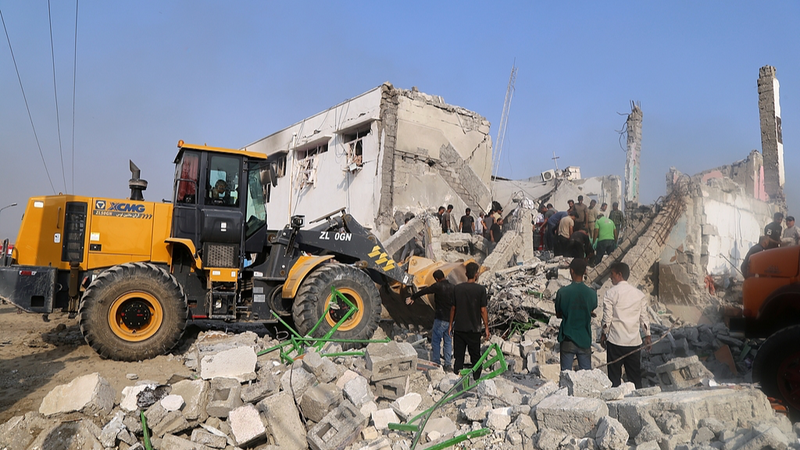
In a dramatic escalation, the U.S. and Israel launched a large-scale military strike against Iran this week, disrupting fragile nuclear talks and plunging the Middle East into heightened uncertainty. The move reflects a strategic shift toward hardline tactics, with both nations citing Iran’s nuclear ambitions as a red line. 💣
Why Now? Elections & Escalation
With the 2026 U.S. midterms and Israel’s elections looming, the strikes serve dual political goals: bolstering domestic credibility and appeasing right-wing bases. Analysts say the attacks aim to weaken Iran’s nuclear capabilities while diverting attention from internal scandals, like Netanyahu’s corruption allegations.
Dialogue Derailed, Trust Shattered
Months of U.S.-Iran negotiations in Oman and Geneva collapsed overnight. Iran had offered limited concessions, but Washington deemed them “insufficient.” Now, retaliatory strikes on U.S. bases in Bahrain or UAE could trigger a “spiral of escalation,” warns expert Wang Jin.
Global Ripple Effects
Markets are bracing for panic as oil prices surge 📈. Regional allies like Saudi Arabia oppose the strikes, fearing prolonged conflict. Meanwhile, Iran’s allies—including Yemen’s Houthis—could join the fray, turning this into a proxy war with no clear exit.
As tensions reach boiling point, one thing’s clear: 2026 just became the year the Middle East’s fragile peace shattered. 🔥
Reference(s):
Reasons and influence behind U.S. and Israel's attack against Iran
cgtn.com