Top global financial institutions are sounding the alarm as tensions in the Middle East send shockwaves through the world economy. The heads of the International Energy Agency (IEA), IMF, and World Bank revealed this week that the US-Israel military campaign against Iran has created a “substantial, global, and highly asymmetric” economic crisis – with young people worldwide likely to feel the pinch through rising costs and job market turbulence. 💸
Energy Domino Effect ⚡
Fuel prices have skyrocketed since the conflict began, with oil and gas markets experiencing TikTok-level volatility. Low-income countries and energy importers are getting hit hardest, while even Middle Eastern producers face plunging export revenues. Fertilizer costs are up 35% this month alone, threatening food security from Nairobi to New Delhi. 🛢️🌾
Supply Chain Whiplash 🚢
Though shipping through the Strait of Hormuz recently resumed, experts warn it could take until Q3 2026 for global supplies to stabilize. Damaged infrastructure means your summer travel plans might cost more too – jet fuel prices remain stubbornly high. ✈️
Global Response Squad 🤝
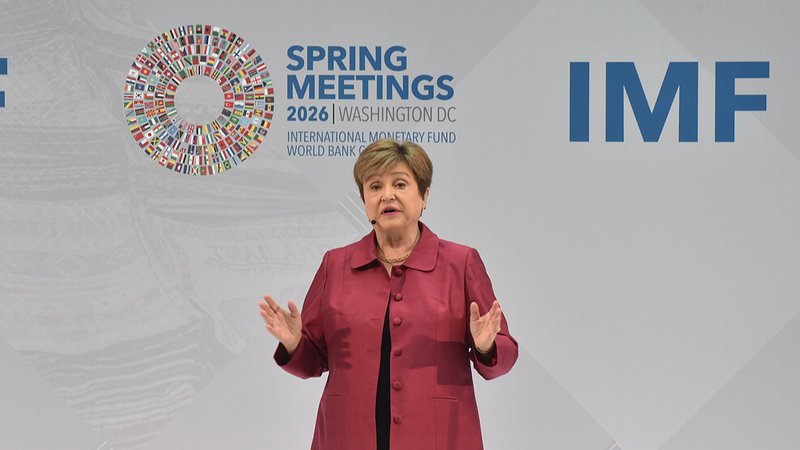
The IMF-World Bank crisis team (formed April 1) is now deploying country-specific rescue packages. IMF chief Kristalina Georgieva told reporters: “We’re seeing 2008-level disruption – but with 2026’s interconnected challenges.” The institutions promise continued monitoring through at least September 2026.
Reference(s):
cgtn.com